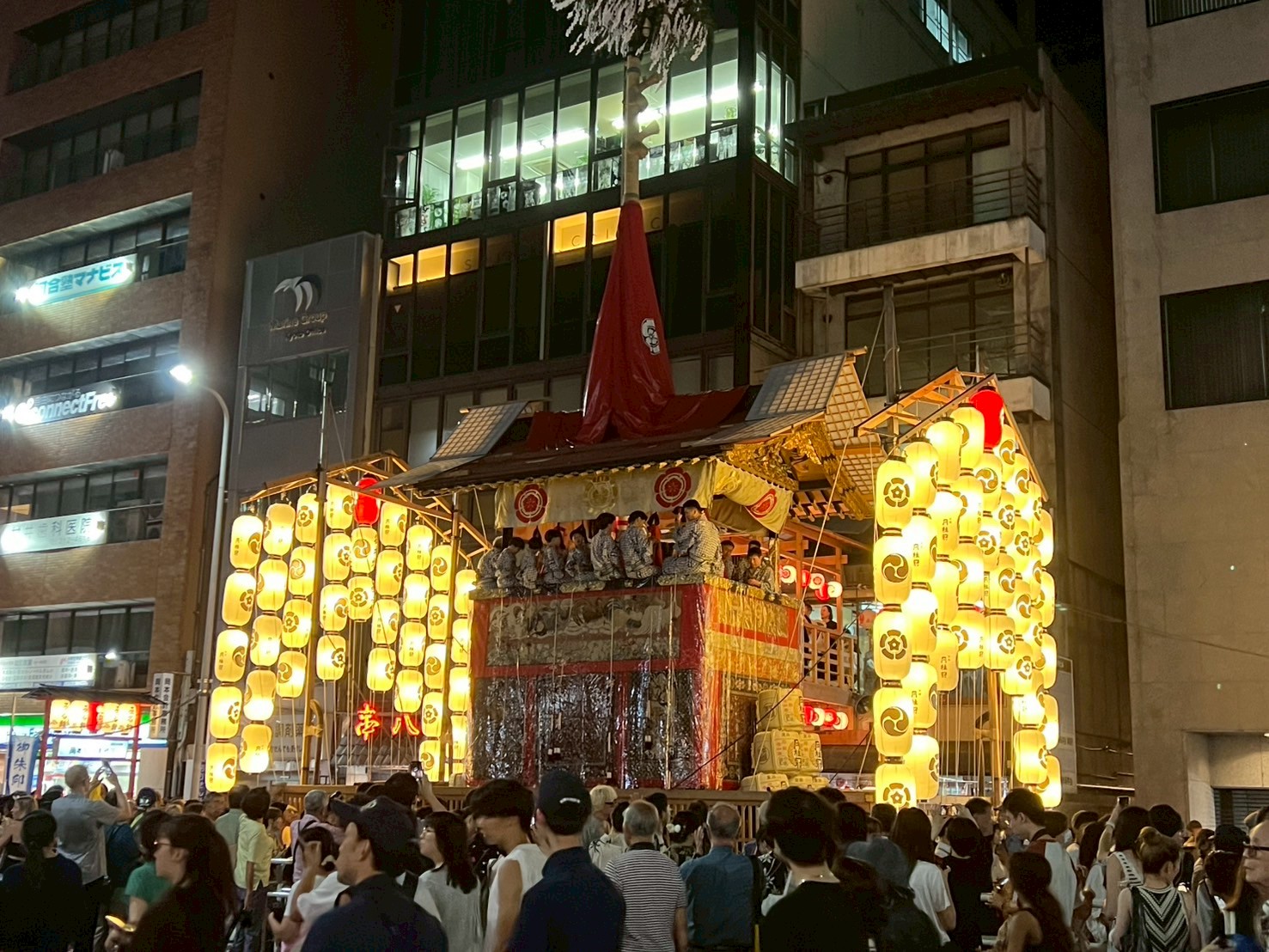
京都の夏と聞いて、多くの人が思い浮かべる共通のイメージがあります。
⸻ それは『祇園祭』です。
一ヶ月にわたって続くこの盛大なお祭りは、単なるイベントではなく、この街の夏の魂であり、脈動そのものです。
「昼間は学校や仕事で時間がない、どうしよう?祇園祭には行けないのかな?」と心配する方も多いでしょう。しかし、私たちの実体験から言えるのは、祭りの本当の魅力は夜の「宵山(よいやま)」にあるということです。
涼しい夜風、美味しいグルメ、灯りをともした提灯。
そして浴衣姿でおしゃれをした人々が、活気あふれる京都の夜の風景を織りなし、この街の風情を体現しています。
祇園祭とは?
日本三大祭りの一つである祇園祭は、八坂神社が主催し、神々を鎮め、疫病を払い、人々の健康を祈願するための盛大な神道のお祭りです。その起源は1100年以上前、都で疫病が流行した際に、災厄を鎮めるために荘厳な儀式が執り行われたことに遡ります。今日では、単なる宗教的な枠を超え、京都がその長い歴史と素晴らしい文化を披露する年次の一大イベントへと発展しました。祇園祭は7月を通して行われますが、観光客にとって中心となるのは主に以下の部分です。
① 宵山(Yoiyama)- 前夜祭 (7月14日~16日;21日~23日)
山鉾巡行の数日前の夜、京都市内の主要な通りは車両通行止めとなり、歩行者天国となります。巨大な山鉾が静かに道端に佇み、無数の提灯に照らされて、間近で鑑賞することができます。空気には食べ物の香りが漂い、賑やかな屋台が立ち並び、祭りの雰囲気を味わい、グルメを楽しむ絶好の機会です。
② 山鉾巡行(Yamaboko Junkō)- 山鉾の大行列 (7月17日;24日)
祇園祭で最も有名な見どころであり、ユネスコ無形文化遺産にも登録されています。「動く美術館」とも称される数十基の巨大な山鉾が、真昼の市内中心部をゆっくりと進む様子は圧巻です。17日と24日の巡行はそれぞれ「前祭(さきまつり)」と「後祭(あとまつり)」と呼ばれ、前祭には23基、後祭には11基の山鉾が参加します。
③ 神輿渡御(Mikoshi Togyo)- 神輿の巡行
八坂神社の神様が三基の華麗な神輿に乗せられ、千人以上の男たちによって担がれながら氏子地域を巡行します。これにより町を清め、人々に福をもたらすとされています。
宵山の体験レポート
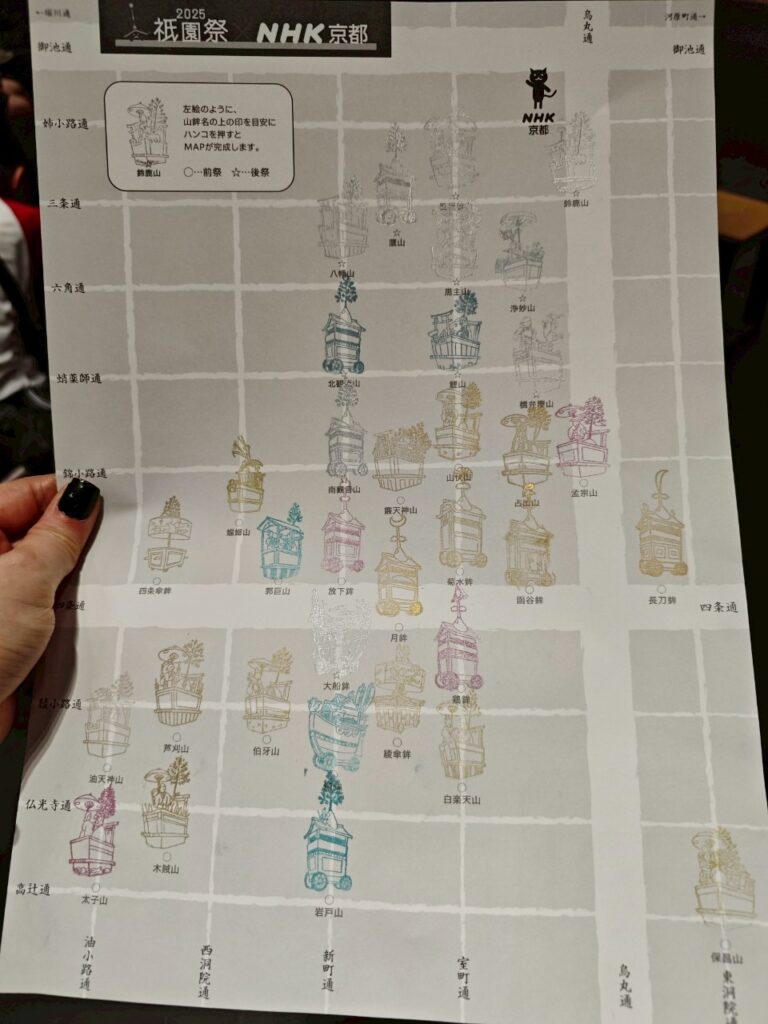
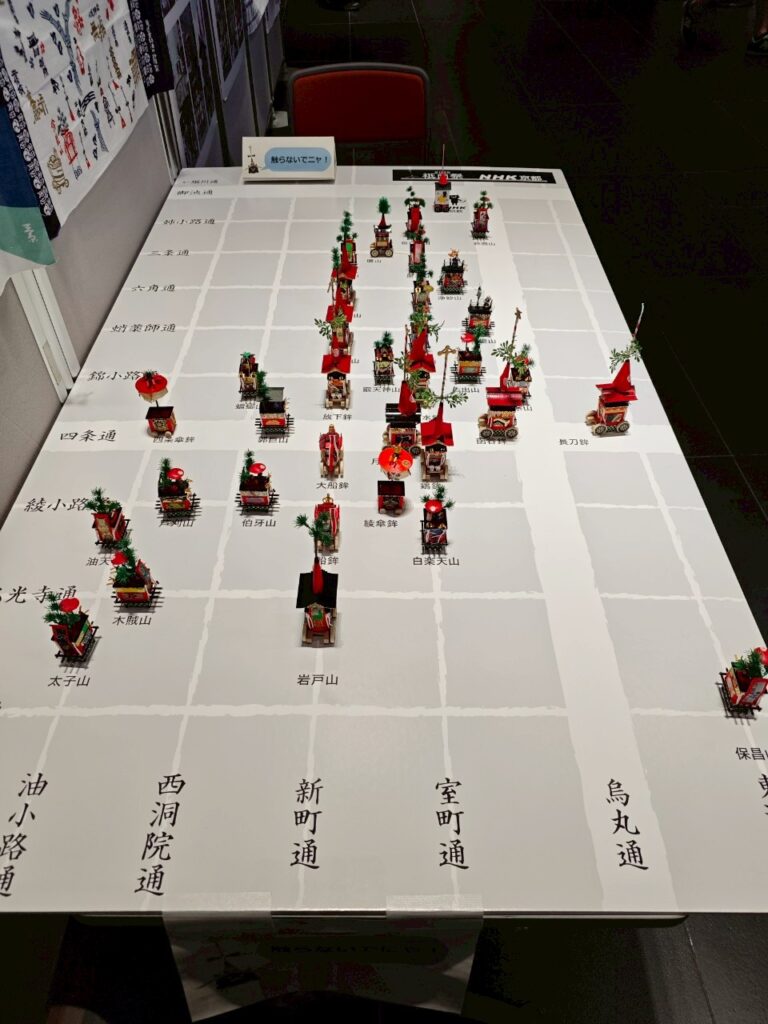
交通規制があるため、私たち一行は午後6時半に烏丸御池で集合し、歩いて向かうことにしました。近くのNHKビルを通りかかると、中ではスタンプラリーや塗り絵の配布、祇園祭関連番組の上映など、多くのイベントが開催されていました。ここで前祭と後祭のスタンプを集め、少し休憩してから街へと繰り出しました。
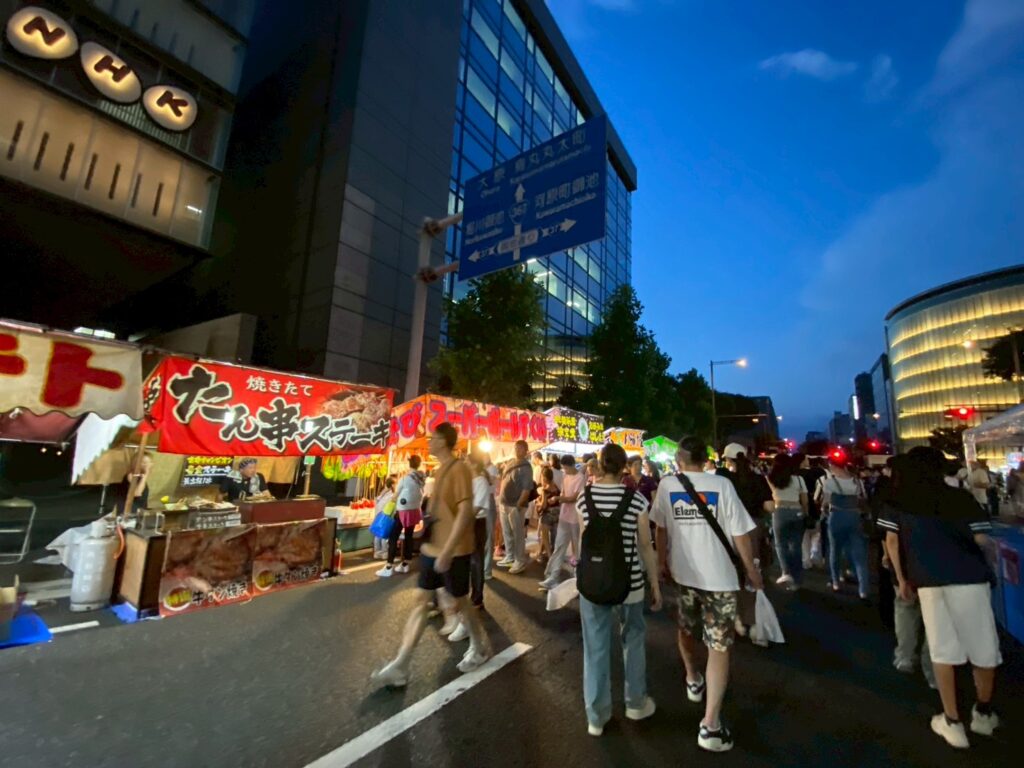
通りには屋台が整然と両側に並び、フライドポテト、きゅうりの一本漬け、唐揚げ、焼肉などの名物グルメ、リンゴ飴やかき氷、アイスクリームなどのデザートやドリンク、金魚すくいやスーパーボールすくいなどのゲームまで、まさに圧巻の光景でした。夕食を食べなくても、ここでお腹を満たし、存分に味覚を楽しませることができます。沿道の店舗が特別に屋台を設けている場合もありました。私たちは屋台が連なる道をひたすら歩き、道端の出店や談笑する人々を眺めながら進みました。チームのメンバーはきゅうり、フライドポテト、唐揚げ、はし巻きを試食しましたが、どれも美味しく大好評でした。
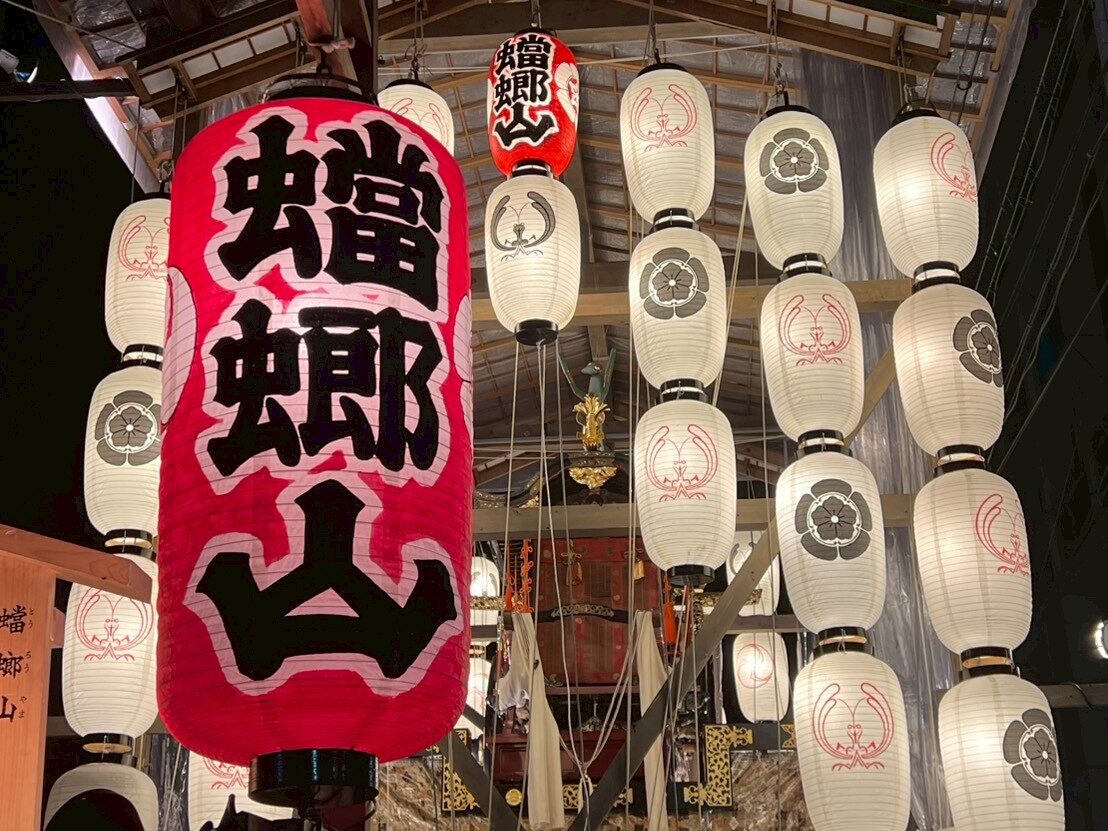
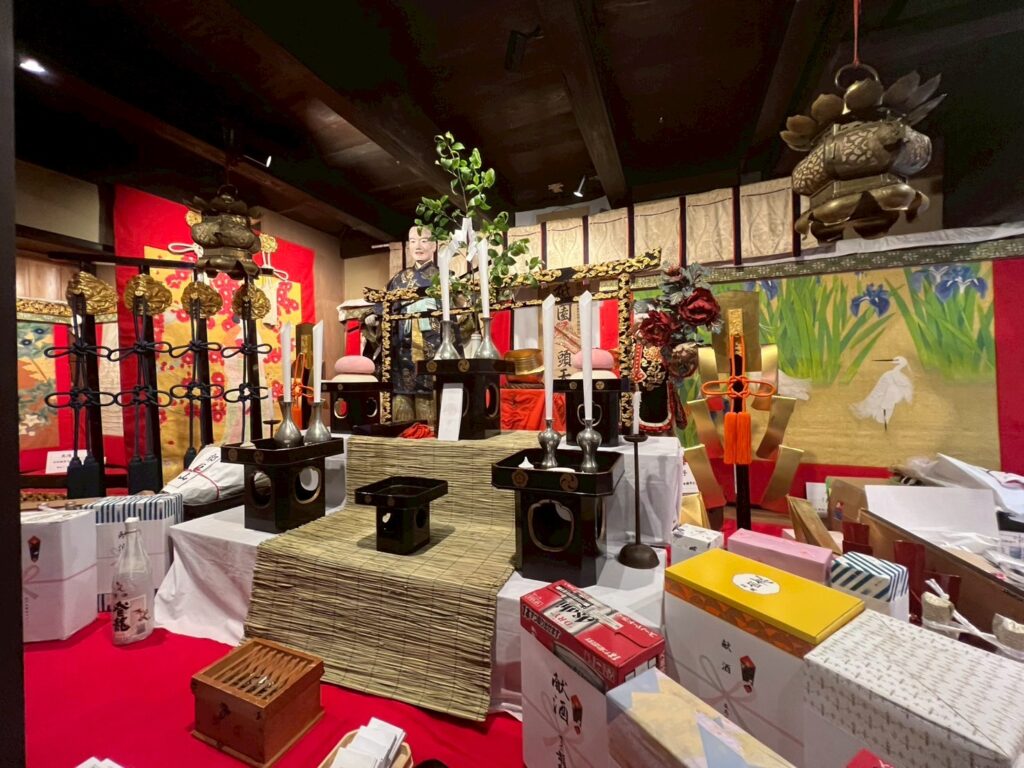
道端には山鉾も停められており、灯された提灯とともに多くの観光客が写真を撮っていました。山鉾によっては様々な催し物も企画されています。例えば、蟷螂山(とうろうやま)の隣では、カマキリのからくりおみくじがありました。参拝者がハンドルを回すと、カマキリの像が円盤の縁を半周して後ろへ移動し、おみくじ番号が入った小さなボールを吐き出します。そして再び半周して手元に戻ってきて、おみくじを受け取れるという仕組みです。本当にクリエイティブなアイデアでした!山鉾の近くでは、扇子やちまき(食べ物じゃないよ!家内安全・無病息災を祈願して玄関に飾るお守りです)など、伝統的なグッズもたくさん売られています。また、通り沿いには「人形」などの伝統文化を紹介する美術館のような小さな展示スペースが開放されている店もあり、私たちも一軒に入って精巧な人形を見学し、歴史を学びました。3分から5分ほどで見学を終え、再び通りに戻りました。
午後10時ごろ、私たちは帰路につくことにしました。すでに店じまいを始めている屋台もあれば、まだ営業を続けている屋台も多くありました。道端では多くの若者が集まり、楽しそうに歌ったり踊ったりしていました。これまでの四条通の夜といえば、「一日の喧騒が終わり、店が閉まり始める」という印象でしたが、これほど活気に満ちた人々を夜に見たのは初めてでした。夕暮れ時から夜が更けるまで、この通りは常に人々でごった返し、大変な賑わいでした。夜でも暑く、観光客はほとんど皆、扇子や携帯扇風機を手に持っていましたが、通りにあふれる熱気は少しも衰えませんでした。
宵山を楽しむためのヒント
- 長時間にわたる散策と混雑の中では、夜でも熱中症対策が必要です。扇子や冷却スプレー、道端で売られているアイスクリームなどがおすすめです。
- 人混みの中では身の回りの安全に注意してください。
- 交通規制のため、祇園祭期間中の移動は事前に交通情報を確認しましょう。例えば、一部のバスは四条エリアを迂回するため、不便が生じる可能性があります。
- 混雑のピークを避け、早めに待ち合わせ場所を決めて、はぐれないようにすることをお勧めします。
- 屋台の多くは現金のみの対応の可能性があるので、事前に小銭を用意しておくと便利です。
- トイレに行きたい場合は、地下鉄の駅や通り沿いのデパート内のトイレを利用するのが良いでしょう。
- 通りにはゴミ収集所が設置されており、専門のボランティアスタッフもいるので、飲食後のゴミ処理について心配する必要はありません
\ Hello, Friends /
When people hear “Kyoto in summer,” there is one image that almost everyone immediately thinks of.
That image is the Gion Festival.
This grand festival, which lasts for an entire month, is not just an event. It is the very soul and heartbeat of Kyoto’s summer.
Many people worry,
“I’m busy with school or work during the day—does that mean I can’t enjoy the Gion Festival?”
However, based on our own experience, we can confidently say that the true charm of the festival lies in the evenings, during Yoiyama.
Cool night breezes, delicious street food, glowing lanterns, and crowds of people dressed in elegant yukata come together to create a lively nighttime atmosphere that perfectly embodies the spirit of Kyoto.
What Is the Gion Festival?
The Gion Festival is one of Japan’s three most famous festivals. Organized by Yasaka Shrine, it is a Shinto festival held to appease the gods, ward off epidemics, and pray for the health and well-being of the people.
Its origins date back more than 1,100 years, when elaborate rituals were performed to quell outbreaks of disease in the ancient capital. Over time, the festival evolved beyond its religious roots and became a major annual event showcasing Kyoto’s long history and rich cultural heritage.
Although the Gion Festival runs throughout July, the highlights for visitors are mainly the following:
① Yoiyama – Festival Eve Nights
(July 14–16 and July 21–23)
In the evenings leading up to the main procession, major streets in central Kyoto are closed to vehicles and transformed into pedestrian zones. Massive festival floats (yamaboko) stand quietly along the streets, illuminated by countless lanterns, allowing visitors to admire them up close.
The air is filled with the aromas of food from lively street stalls, making Yoiyama the perfect time to soak in the festive atmosphere and enjoy local snacks.
② Yamaboko Junko – Grand Float Procession
(July 17 and July 24)
The most famous highlight of the Gion Festival, the Yamaboko Junko is registered as a UNESCO Intangible Cultural Heritage. Dozens of enormous floats—often described as “moving museums”—slowly parade through the city center in broad daylight.
The procession on July 17 is known as the Early Festival (Saki-matsuri) and features 23 floats, while the procession on July 24 is the Later Festival (Ato-matsuri) with 11 floats.
③ Mikoshi Togyo – Portable Shrine Procession
During this ritual, the deities of Yasaka Shrine are placed in three ornate portable shrines (mikoshi) and carried through the surrounding neighborhoods by over a thousand participants. This procession is believed to purify the city and bring good fortune to its people.
Our Yoiyama Experience
Due to traffic restrictions, our group met at Karasuma-Oike around 6:30 p.m. and walked toward the festival area. When we passed the nearby NHK building, we found various Gion Festival-related events inside, including stamp rallies, coloring activities, and special program screenings. After collecting stamps from both the Early and Later Festivals and taking a short break, we headed back out into the streets.
The roads were lined with neatly arranged food stalls offering everything from French fries, pickled cucumbers, fried chicken, and grilled meat to candied apples, shaved ice, ice cream, and drinks. There were also classic festival games like goldfish scooping and super ball scooping. Even without a formal dinner, it was easy to fill up and enjoy a wide variety of flavors.
Some local shops also set up special stalls in front of their stores. As we walked through the lively streets, we enjoyed watching people chat, eat, and laugh together. Our group sampled pickled cucumbers, fries, fried chicken, and hashimaki (a rolled pancake snack), all of which were delicious and well received.
Festival floats were parked along the streets, illuminated by lanterns, attracting many visitors taking photos. Some floats offered unique attractions. For example, near the Toro-yama (Mantis Float), there was a mechanical mantis fortune-telling device. Turning a handle caused the mantis to move along a circular track, release a small ball with a fortune number, and return it to the participant—an impressively creative design.
Traditional items such as folding fans and chimaki (note: not food, but protective charms hung at home for safety and health) were also sold near the floats. Some shops opened small exhibition spaces displaying traditional dolls and crafts, allowing visitors to learn more about Kyoto’s cultural heritage. After spending a few minutes exploring one such exhibit, we returned to the streets.
Around 10:00 p.m., we began heading home. While some stalls were closing, many were still open, and groups of young people were singing, dancing, and enjoying the night. Normally, Shijo Street feels quiet as shops close for the day, but seeing it so vibrant late at night was a rare and memorable experience. Despite the lingering heat, the energy of the crowd never faded.3
Tips for Enjoying Yoiyama
- Even at night, take precautions against heat exhaustion. Folding fans, cooling sprays, and ice cream are helpful.
- Be mindful of your belongings in crowded areas.
- Check transportation updates in advance, as traffic restrictions may affect bus routes, especially around Shijo.
- Arrange meeting points early to avoid getting separated during peak crowds.
- Many food stalls accept cash only, so bring small bills and coins.
- For restrooms, subway stations and department stores along the route are reliable options.
- Trash collection points and volunteer staff are available, making it easy to dispose of waste responsibly.
一提到“京都的夏天”,许多人脑海中都会浮现出一个共同的画面。
那就是——祇园祭。
这个持续整整一个月的盛大祭典,不仅仅是一场活动,更是京都夏天的灵魂与脉动。
很多人会担心:
“白天要上学或工作,没有时间,那是不是就无法体验祇园祭了呢?”
但根据我们的亲身体验,可以明确地说,祇园祭真正的魅力,其实在夜晚的宵山。
夜晚的微风、美味的小吃、点亮的灯笼,以及身穿浴衣、精心打扮的人们,共同交织出充满活力的京都夜景,完美展现了这座城市的风情。
什么是祇园祭?
祇园祭是日本三大祭典之一,由八坂神社主办,是一场为安抚神灵、驱除疫病、祈求人们健康平安而举行的神道祭典。
其起源可追溯至1100多年前,当时京都爆发疫病,人们通过庄严的仪式来平息灾厄。如今,祇园祭已不仅仅是宗教活动,而发展成为展示京都悠久历史与文化的重要年度盛事。
祇园祭贯穿整个七月,但对游客来说,最值得关注的主要是以下几个部分:
① 宵山(前夜祭)
(7月14–16日,7月21–23日)
在山鉾巡行前的几个夜晚,京都市中心的主要街道会实施交通管制,变为步行街。巨大的山鉾静静地伫立在街道两旁,在无数灯笼的照耀下,游客可以近距离欣赏。
空气中弥漫着食物的香气,热闹的摊位林立,是感受祭典氛围、品尝美食的绝佳时机。
② 山鉾巡行
(7月17日、7月24日)
这是祇园祭最著名的看点,并被列入联合国教科文组织非物质文化遗产。数十座被称为“移动的美术馆”的巨大山鉾,在正午时分缓缓穿行于市中心,场面极为震撼。
7月17日的巡行称为“前祭”,共有23座山鉾参加;7月24日为“后祭”,共有11座山鉾。
③ 神輿渡御
八坂神社的神明被安置在三座华丽的神輿中,由上千名参与者抬着巡行氏子区域。据说这一仪式能够净化城市,为人们带来福气。
宵山体验记录
由于交通管制,我们一行人在傍晚6点半于乌丸御池集合,步行前往祭典区域。途经NHK大楼时,发现内部举办了与祇园祭相关的活动,包括集章活动、涂色体验以及相关节目的放映。收集完前祭与后祭的印章并稍作休息后,我们再次走向街头。
街道两旁整齐排列着各种摊位,有炸薯条、腌黄瓜、炸鸡、烤肉等小吃,也有苹果糖、刨冰、冰淇淋等甜点饮料,还有捞金鱼、捞弹力球等游戏。即使不特意吃晚餐,也能在这里尽情享受美食。
部分沿街店铺还特别设置了摊位。我们沿着摊位林立的街道一路前行,欣赏路边的小吃与人们的欢声笑语。团队成员品尝了腌黄瓜、薯条、炸鸡和卷饼,大家都觉得非常美味。
街道旁停放着点亮灯笼的山鉾,吸引许多游客拍照。有些山鉾还设置了有趣的活动,例如蟷螂山旁的“螳螂机关御神签”。转动手柄后,螳螂模型会沿着轨道移动,吐出写有签号的小球,再返回到参拜者面前,设计十分巧妙。
山鉾附近还出售折扇、粽形护符(并非食物,而是祈求家宅平安、无病息灾的护身符)等传统物品。部分店铺开放了小型展览空间,展示精致的人偶与传统文化,我们也进去参观了几分钟,了解了相关历史。
晚上10点左右,我们开始返程。一些摊位已开始收摊,但仍有不少继续营业。街头聚集着许多年轻人,唱歌、跳舞,气氛热烈。以往夜晚的四条通给人的印象是逐渐安静下来,而那天夜里却充满活力,令人印象深刻。尽管夜晚依然炎热,但街道上的热情丝毫未减。
宵山游玩小贴士
- 即使在夜晚,也要注意防暑。建议携带扇子、冷却喷雾,或购买冰淇淋降温。
- 人多拥挤,请注意自身安全和随身物品。
- 祭典期间交通管制较多,部分公交线路可能绕行,请提前确认交通信息。
- 建议提前约定集合地点,避免在高峰时段走散。
- 许多摊位仅接受现金,提前准备零钱会更方便。
- 如需使用洗手间,可选择地铁站或沿街百货商场。
- 街道设有垃圾回收点,并有志愿者协助,无需担心垃圾处理问题。


コメント