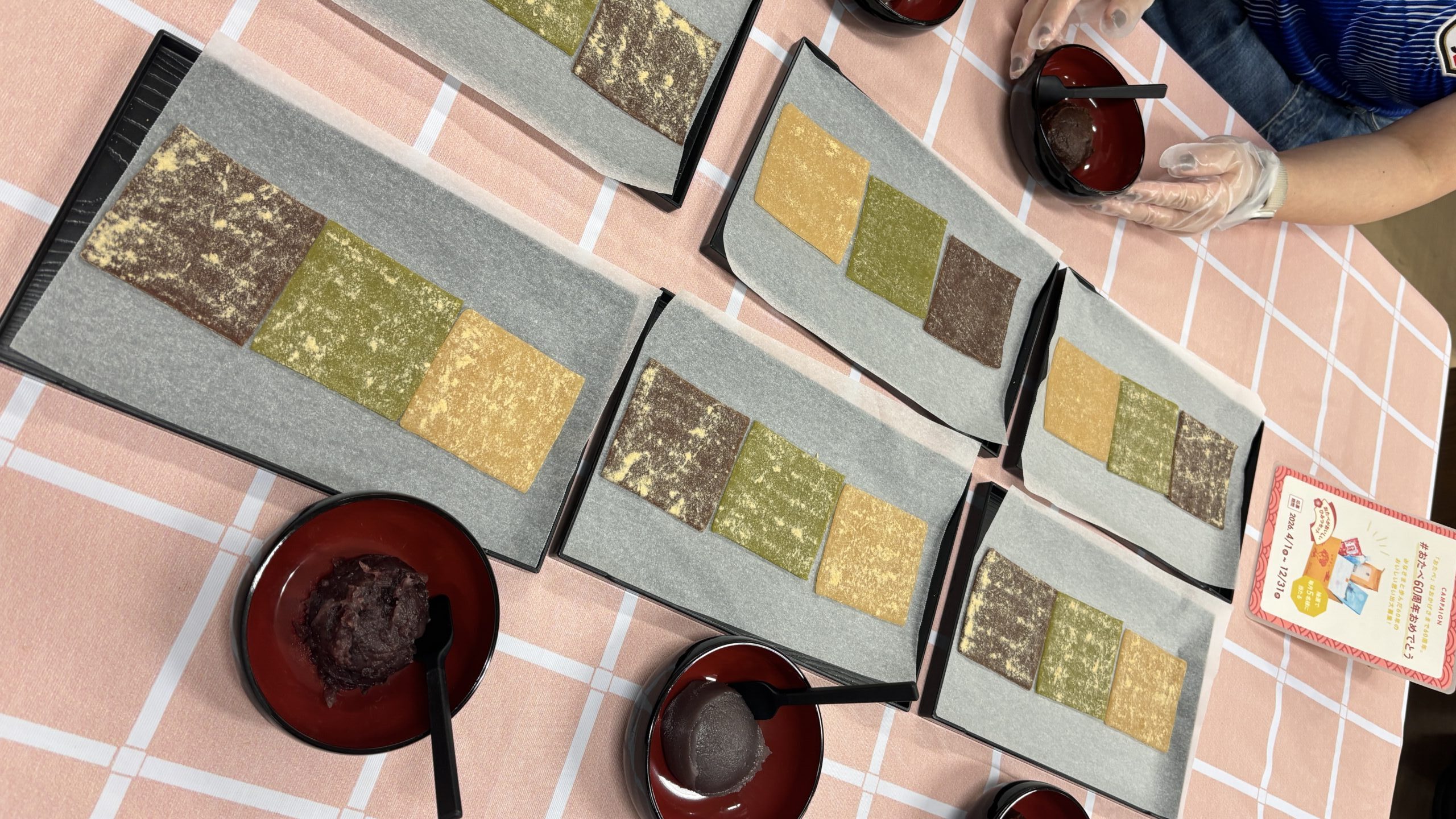
We went to main store and atelier Kyo-baum!
It is Yatsuhashi to know that a souvenir of Kyoto is well known from old days. We, the kokoka volunteer members went to conduct an interview. There, we toured the Yatsuhashi factory and tried my hand at making Yatsuhashi We also visited the nearby factory for “Kyo-Baum” -a new Kyoto souvenir that recently opened.
- About history of the Yatsuhashi
While there are many shops selling Yatsuhashi, “Sakaya”—the predecessor to Otabe-kan, which we visited this time—began selling Yatsuhashi in 1949. At that time, only the hard variety of Yatsuhashi was available. However, Yatsuhashi has a much longer history. Here is a brief overview.
There are two theories regarding the origin of Yatsuhashi. The first theory traces its origins to “Yatsuhashi”, which appears in the ninth chapter, “The Chapter of the Journey East,” of the “Ise Monogatari”; it suggests that rice crackers modeled after bridge planks were created. The second theory holds that after the famous koto musician Yatsuhashi Kengyō passed away in 1685, hard-baked rice crackers flavored with cinnamon and shaped like a koto were created to commemorate his legacy. These were served at a teahouse in Kurotani, where Kengyō’s grave is located, and this is said to be the origin of “Yatsuhashi.”
The other day, while taking a stroll around Kumano Shrine, I happened to learn that this is the birthplace of Yatsuhashi. The original Nishio Yatsuhashi Main Store is also located nearby. It seems there are many theories regarding the origin of Yatsuhashi.
- Introduction of Otabe Honkan
The Otabe Main Store is much more than just a souvenir shop. It is a comprehensive facility attached to the headquarters and production factory of Biju Co., Ltd., one of Kyoto’s leading traditional confectionery manufacturers.
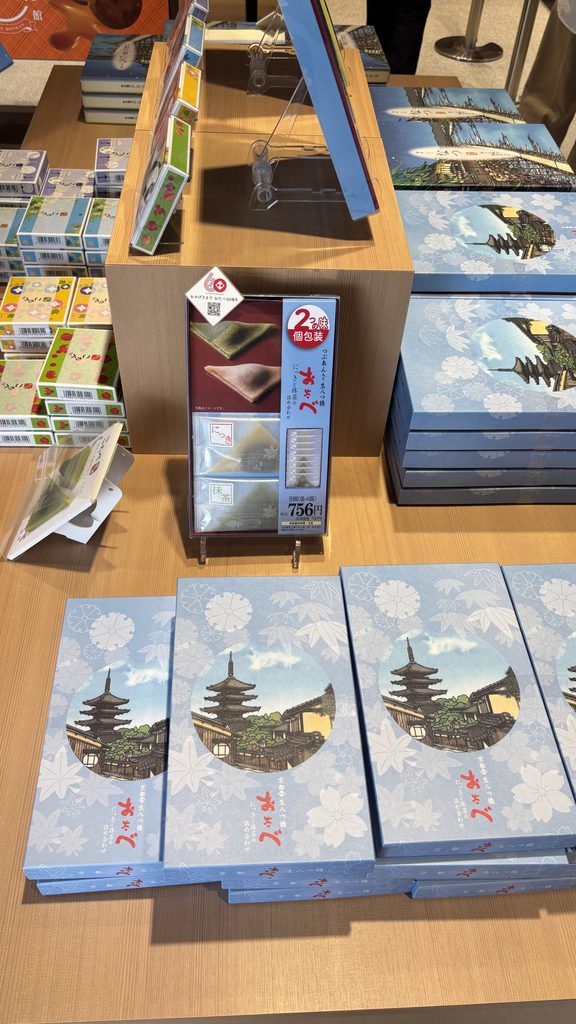
This is where two of Kyoto’s most iconic sweets are made: Otabe, the famous fresh yatsuhashi filled with sweet red bean paste, and the hugely popular Kyo Baum, Kyoto’s signature matcha Baumkuchen.
Combining shopping, factory tours, and hands-on experiences, the Otabe Main Store is a hidden gem well worth visiting. Here are three highlights you shouldn’t miss.
- Exclusive treats you won’t find anywhere else
The store offers the widest selection of Otabe products, including freshly made seasonal sweets, limited-edition snacks, and exclusive souvenirs available only at the main store. If you’re looking for unique gifts from Kyoto, this is one of the best places to shop.
- Free factory tour (Otabe Alley, 2nd Floor)
Admission is completely free.
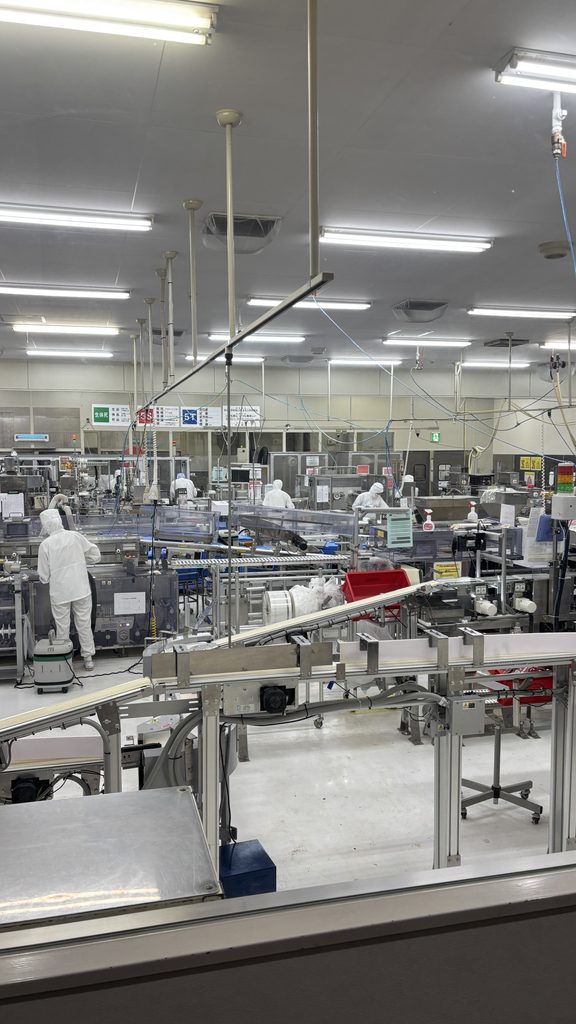
From a large observation window, visitors can watch the fully automated production lines where Kyoto’s famous sweets are carefully made from raw ingredients to finished products. Watching the precise manufacturing process is surprisingly relaxing and fascinating.
Please note that production schedules vary, so some production lines may not be operating during your visit. If you happen to catch the entire line in action, consider yourself lucky!
- Hands-on confectionery workshops
Visitors can choose between two different workshop programs.
The first is the Full Experience Course (approximately 60 minutes), which includes a factory tour and lets participants make Otabe from scratch—from preparing the dough to steaming it.
The second is the Quick Experience Course (approximately 30 minutes), which is the one we joined. It is perfect for travelers with limited time or families visiting with young children.
- Impression of Otabe Honkan
During our visit to Kyoto, we joined a 30-minute hands-on workshop at the Otabe Main Store to make nama yatsuhashi, one of Kyoto’s most famous traditional sweets. The workshop was popular with both children and adults, making it an enjoyable experience for visitors of all ages. The staff explained the ingredients and the production process clearly and patiently, so even first-time participants could easily follow along.
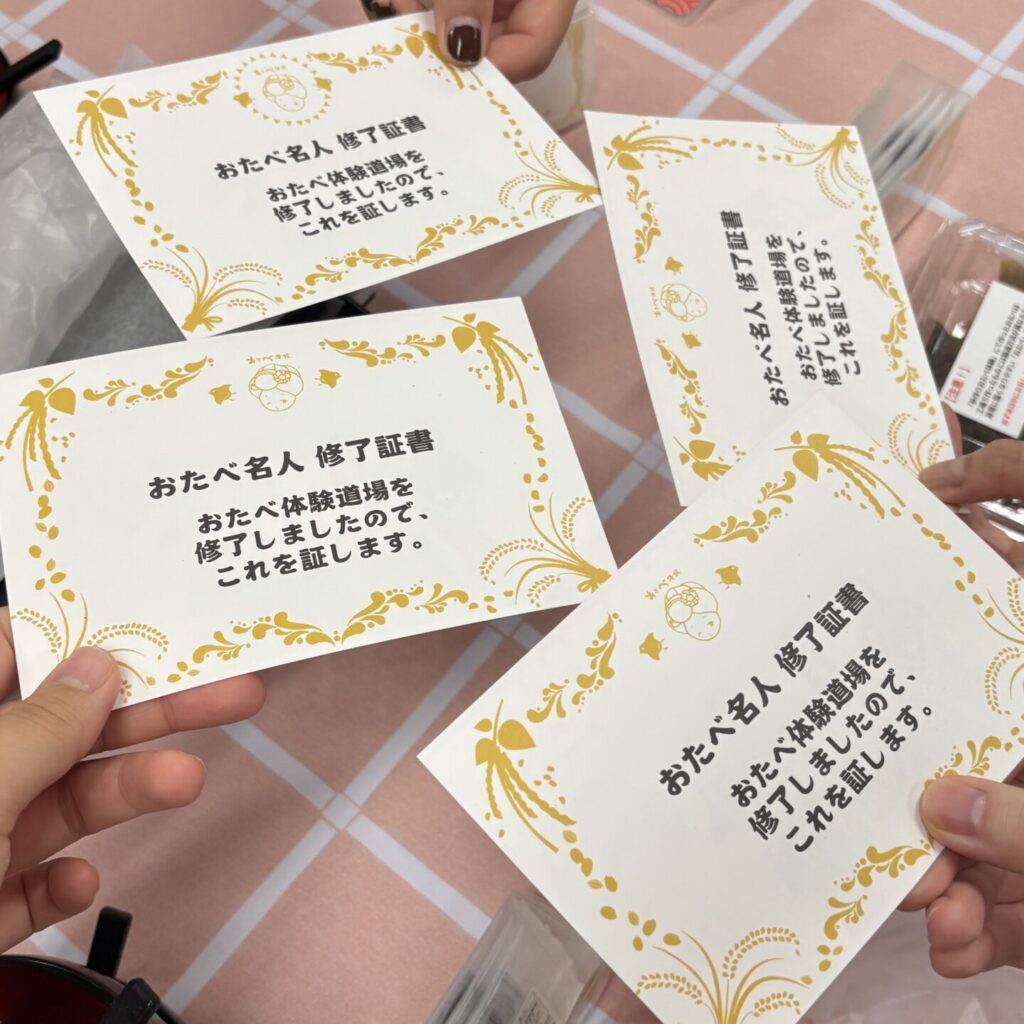
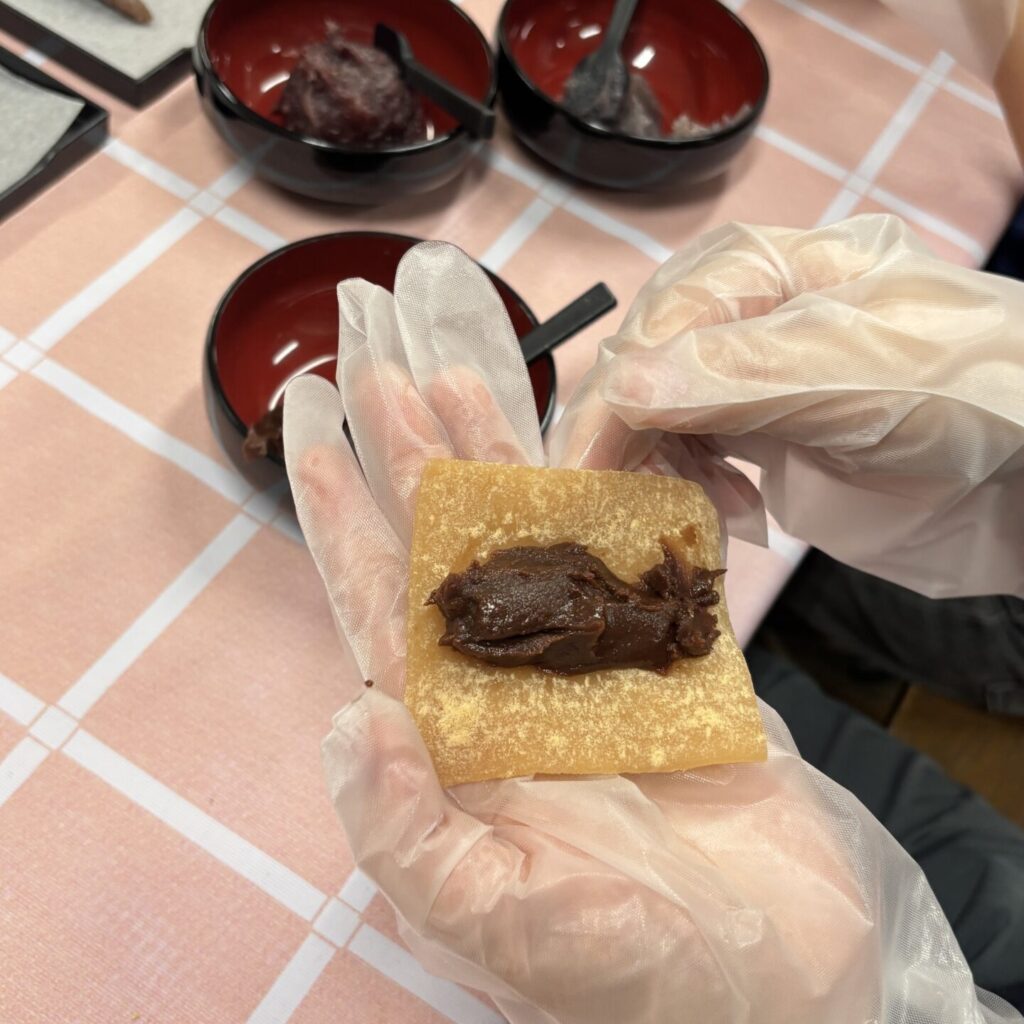
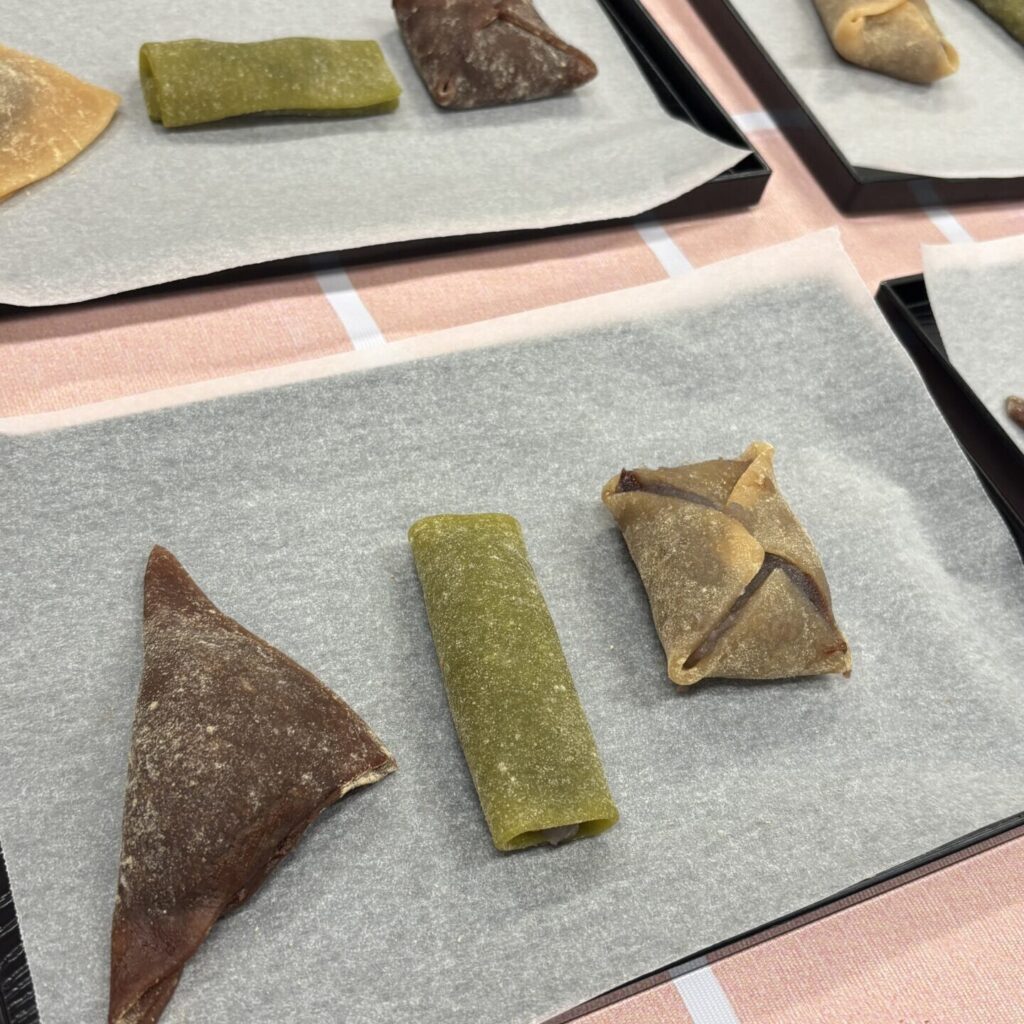
We could choose from three different fillings and three types of dough: cinnamon, chocolate, and plain. My favorite was the chocolate-flavored dough because it was the softest and could hold plenty of filling. The freshly made nama yatsuhashi was thin, soft, and generously filled, making it especially delicious. At the end of the workshop, we even received a certificate of completion, which made the experience even more memorable and left us feeling as though we had learned a new skill.
- Introduction of Atelier Kyo-baum
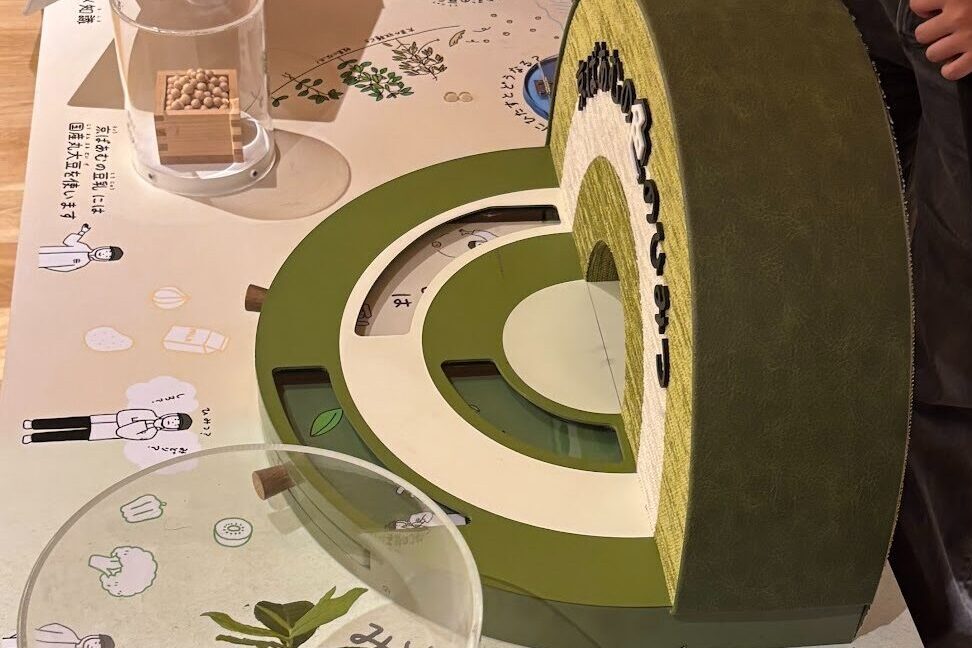
“Kyo-Baum” is a popular Baumkuchen cake manufactured and sold by Bijuu Co., Ltd.—the company also famous for “Otabe.” Made with a blend of Kyoto-grown matcha and Uji matcha, it features multiple layers of moist sponge cake and a beautiful contrast of vibrant green and white;(believe it or not, it features a luxurious stack of 21 layers, alternating seven layers each of matcha and soy milk! ) it is a classic Kyoto souvenir. “Atelier Kyo-Baum” is located right next to the Otabe Main Store, so we recommend visiting both together. Inside, the first floor houses the main shop, while the second floor features the Kyo-Baum factory, where you can observe the production process. The third floor is the Kyo-Baum Cafe, where you can enjoy Kyo-Baum and other sweets baked fresh that very day.
- Impression of Atelier Kyo-baum
After that, we visited Kyo Baum, a facility dedicated to one of Kyoto’s most popular Baumkuchen cakes. The first floor featured a wide selection of Kyo Baum products and other local souvenirs. On the second floor, we learned about the ingredients and the manufacturing process, and we were able to observe the factory through large windows as the staff carefully made the cakes.
The most surprising thing I learned was that the Baumkuchen also goes through an aging process before it is finished. I had always thought that aging was mainly used for foods such as meat, so it was interesting to discover that it also plays an important role in making delicious cakes.
The facility also offers baking workshops and matcha experiences, both of which require advance reservations. On the third floor, there is a beautiful café where visitors can enjoy desserts and meals. Although we didn’t have time to visit it this time, I would definitely like to come back and try it on my next visit.
Otabe本馆和京年轮蛋糕工坊(Atelier 京ばあむ)的参观体验
说起京都的的伴手礼,大家最熟悉的当属自古以来就闻名遐迩的“八桥”了。在京都不仅可以参观八桥工厂并体验亲手制作八桥,而且附近最近还新开了一家“atelier 京年轮蛋糕工坊(atelier 京ばあむ)”,这里专门制作近年来的京都人气伴手礼——京年轮蛋糕。于是,kokoka(京都市国际交流协会)的志愿者成员们便一同前往参观体验。
・八桥的历史
虽然八桥的店铺种类繁多,但此次参观的“Otabe馆”的前身“堺屋”早在1949年就开始售卖八桥,不过当时售卖的还是质地较硬的八桥。其实,八桥的历史其实更为悠久。下面简要介绍一下八桥的起源。
关于八桥的起源有两种说法:
第一种说法认为其源于《伊势物语》第九段“东下章”中出现的“八桥”,据传是模仿桥板形状制作的煎饼。
第二种说法认为,著名筝曲演奏家八桥检校于1685年去世后,为缅怀其遗德,人们制作了模仿筝形、加入肉桂的硬烤煎饼,并在检校墓所在的黑谷茶店供奉,这便是“八桥”的名称和糕点的另一种由来。
前些天,我在熊野神社附近散步时,偶然了解到这里也与八桥的发源有关。附近还有「本家西尾八桥」的总店。看来,关于八桥究竟起源于何处,至今仍有不同的说法,也让人觉得很有意思。
・Otabe馆简介
Otabe本馆(おたべ本館)其实大有来头,它是京都著名的菓子巨头——美十株式会社的总社工厂大本营。大家去京都必买的招牌生八桥,以及热销的绿色抹茶年轮蛋糕「京ばあむ」,都是他家人气商品。
这里作为本社工厂旁边的综合设施,集购物与娱乐于一体的隐藏版人气景点,主要有三大亮点:
- 限定商品买到爽:
这里不仅商品种类最全,能买到最新鲜、刚出炉的限定款点心,还有很多只有在本馆才能入手的独家伴手礼。
- 免费参观工厂(2楼「おたべ小路」):
完全免门票!大家可以隔着大玻璃窗,亲眼看到这些京都铭菓从原料变成一块块精致点心的全自动化生产线,干净又治愈。
(小贴士:工厂生产线不是一直运转,能不能看到全线开工就要看运气啦~)
- 多样化的 DIY 体验:
这里提供两种手作体验项目。一种是1小时的深度体验课,包含工厂参观,可以从揉面团、蒸熟生地开始体验完整过程;还有一个是30分钟轻量版,适合时间比较赶或者带小朋友旅行的游客。
・八桥手作体验感受分享
这次我们来到了京都的Otabe本馆,体验了30分钟的生八桥制作课程。现场有很多小朋友参加,也有不少大人一起体验,大家都能在轻松愉快的氛围中了解生八桥的原材料和制作方法。工作人员讲解得非常细致、清楚,即使是第一次制作也能顺利完成。
制作时可以选择三种不同的红豆馅,以及肉桂、巧克力和原味三种外皮。其中,我最喜欢巧克力口味的外皮,口感最柔软,可以包进满满的馅料,做出来的生八桥皮薄馅足,非常有满足感。体验结束后还收到了修了证明书,不仅品尝到了自己亲手制作的生八桥,也感觉自己学会了一项新的技能,留下了美好的回忆。
・京年轮工坊介绍
“京年轮蛋糕”是由因生产“Otabe(生八桥)”而闻名的“美十(Bijuu)株式会社”所打造的超人气年轮蛋糕。它的最大特色是精选京都产抹茶与宇治抹茶,将口感绵密湿润的蛋糕胚层层堆叠(竟然将抹茶蛋糕胚和豆乳蛋糕胚各叠了7层,足足交替叠加了21层,堪称奢华!!)。绿白相间,清新雅致,是一款精美又富有京都风情的经典伴手礼。
“atelier 京年轮蛋糕”就坐落在Otabe本馆的隔壁,因此强烈推荐大家将两馆安排在一起一同游玩!走进馆内,1楼是主商店;2楼是京年轮蛋糕的工厂,可以近距离参观制作流程;3楼则是京年轮蛋糕咖啡厅(京ばあむCafe),在这里可以品尝到当天现烤的京年轮蛋糕以及各式精美甜点。
京年轮工坊参观感受
随后,我们参观了京年轮蛋糕工坊。馆内空间非常宽敞,一楼主要展示和销售京ばあむ及其他京都特色点心;二楼则介绍了产品使用的原材料和制作过程,还可以透过玻璃看到工厂里工作人员在认真制作京ばあむ的场景,让人感受到每一道工序都十分用心。
让我印象最深刻的是,京ばあむ在制作过程中也需要“熟成”这一步骤。我原本一直以为只有肉类等食品才需要熟成,没想到制作年轮蛋糕也需要经过这样的工序,这让我学到了新的知识。此外,馆内还设有制作体验和抹茶体验活动,需要提前预约参加。三楼是一家环境优美的咖啡店,这次因为时间关系没有体验,希望下次有机会再来品尝。
京都のお土産といえば昔からよく知られているのが、ご存じ八ッ橋です。その八ッ橋の工場見学と八ッ橋作り体験ができるという事と、近くに最近の京都の新しいお土産である京ばあむを作っているatelier京ばあむが出来たというので、kokokaボランティアのメンバーで取材に行ってみました。
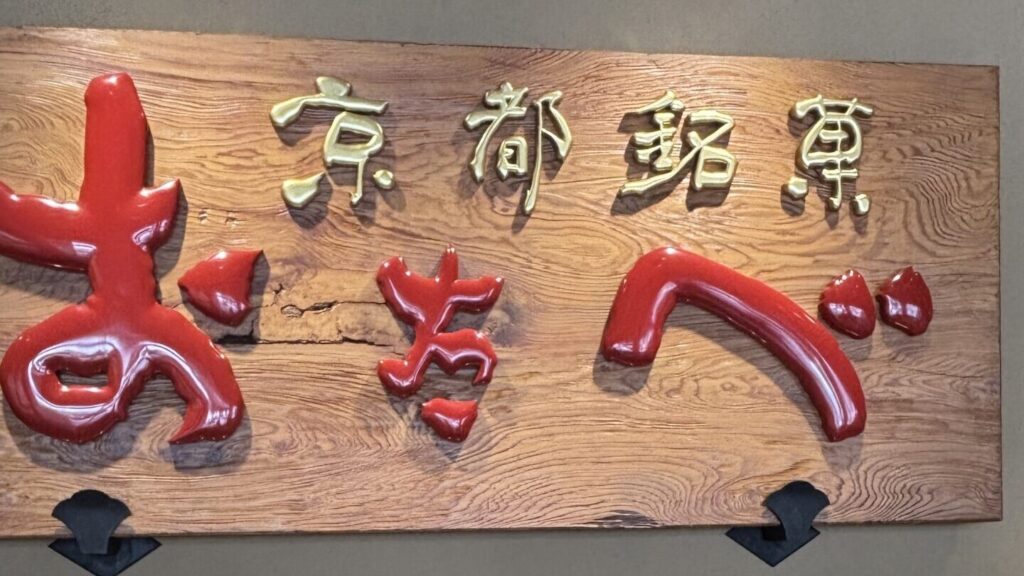
八つ橋の歴史について
八ッ橋のお店には様々ありますが、今回見学したおたべ館の前身「さかい屋」が八ッ橋の販売を開始した時期は1949年で、当時はまだ固い八ッ橋しか売られていませんでした。しかし、八ッ橋にはもっと長い歴史があります。どのような歴史があるのかを簡単に紹介します。
八ッ橋の起源には2つあり、1つ目は『伊勢物語』第九段「東下り章段」に出てくる「八橋」を起源として、橋板に模した煎餅を作ったという説です。
2つ目は、有名な筝曲奏者の八橋検校が1685年に亡くなった後、その遺徳を偲ぶために筝の形を模したニッキ入りの堅焼き煎餅が作られ、検校の墓がある黒谷の茶店で供せられたのが「八ッ橋」だとする説です。(引用: 同志社女子大学 https://www.dwc.doshisha.ac.jp/research/faculty_column/612 )
そして先日熊野神社を散歩したところ、偶然ここが八ッ橋発祥の地であることを知りました。付近には本家西尾八ッ橋本店もあります。
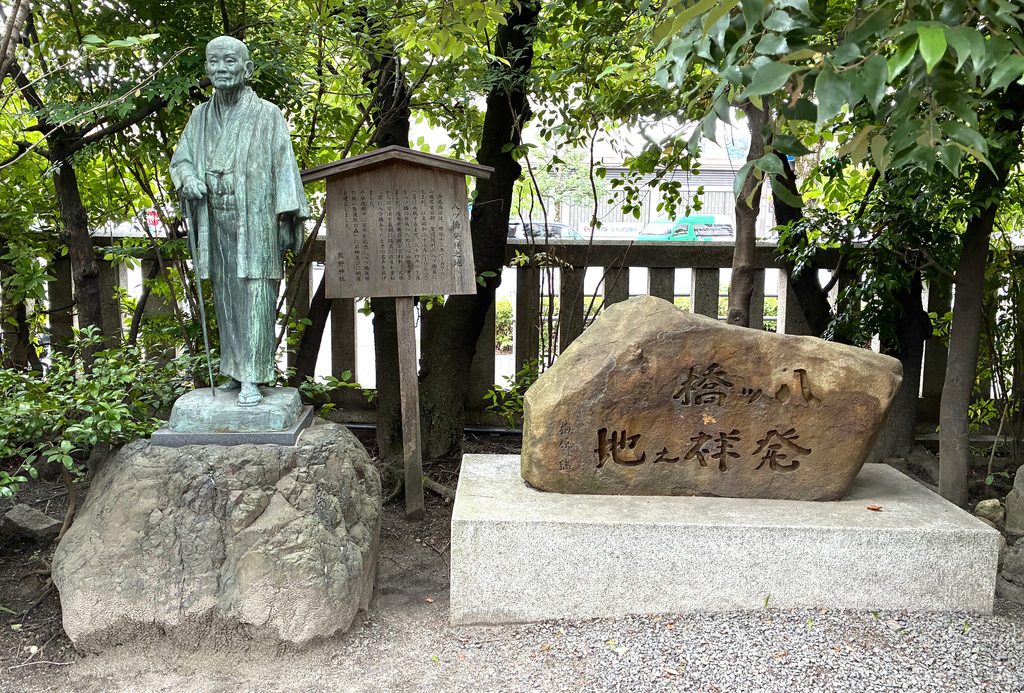
どうやら八ッ橋の起源には様々な説があるようです。
📍「おたべ本館」ってどんなところ?
実はここ、ただの店舗ではないんです!京都銘菓の巨頭である「株式会社美十」の本社工場に併設された総合施設です。京都土産の定番である「つぶあん入り生八つ橋 おたべ」はもちろん、あのあの大人気抹茶バームクーヘン「京ばあむ」も、実はここから生まれているんですよ。
お買い物とエンタメが一度に楽しめる、知る人ぞ知る人気スポット「おたべ本館」の主な見どころを3つご紹介します!
- 限定商品が目白押し!
ここでは商品の品揃えが最も豊富なだけでなく、できたてホヤホヤの限定菓子や、本館でしか手に入らない特別な限定土産もたくさん購入できます。
- 無料で楽しめる工場見学(2階「おたべ小路」)
なんと入場無料!大きなガラス越しに、京都銘菓が原材料から一つひとつ丁寧に仕上げられていく全自動の製造ラインを間近で見ることができます。その様子は綺麗で、見ているだけで癒されますよ。(※工場の稼働状況によっては見られない場合もあるので、全線稼働しているところを見られたらラッキーです!~)
- バラエティ豊かなDIY手作り体験
手作り体験プログラムは2つのコースから選べます。1つは1時間の「じっくりコース(工場見学付き)」。生地作りから蒸す工程まで、本格的なおたべ作りを丸ごと体験できます。もう1つは私たちが今回参加した30分間の「お手軽コース」で、時間が限られている方や、小さなお子様連れのご家族にもぴったりです。
おたべ館の感想
おたべ本館では、30分間の生八つ橋作り体験に参加しました。会場には子どもから大人まで多くの参加者がおり、生八つ橋の原材料や作り方について楽しく学ぶことができました。スタッフの方の説明はとても分かりやすく、一つひとつ丁寧に教えてくださったので、初めてでも安心して体験することができました。
あんこは3種類、皮はシナモン・チョコレート・プレーンの3種類から選ぶことができました。特にチョコレート味の皮はとても柔らかく、たっぷりのあんを包むことができました。自分で作った生八つ橋は格別のおいしさで、とても満足しました。体験の最後には修了証もいただき、一つ新しいことができるようになった気持ちになり、とても良い思い出になりました。
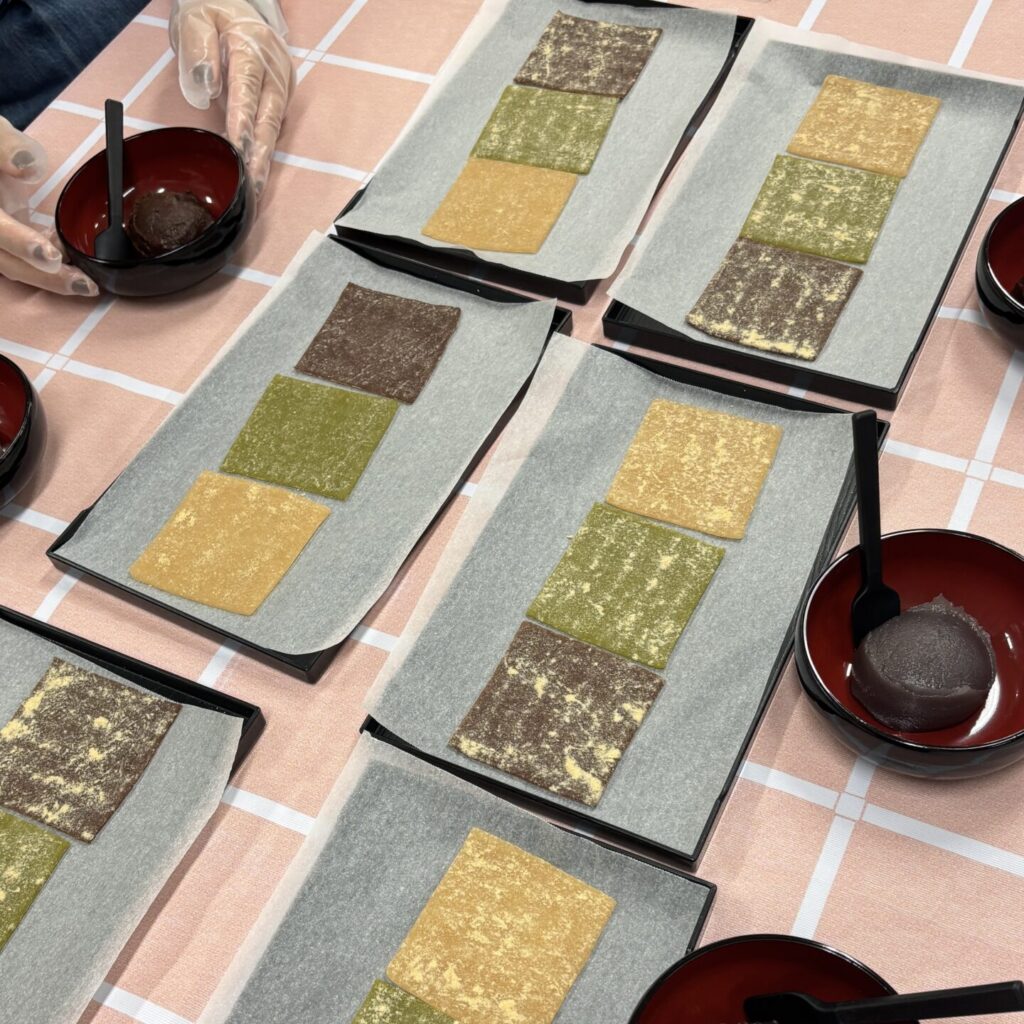
Atelier京ばあむの紹介
京ばあむは、おたべで知られる株式会社 美十 がおなじく製造・販売している人気のバームクーヘンです。京都産抹茶と宇治抹茶を使い、しっとりしたスポンジ生地が何層にも重ねられているのが特徴で(なんと抹茶生地と豆乳生地を7層ずつ交互に21層も贅沢に重ねられています!!)、鮮やかな緑と白のコントラストが美しい京都の定番土産です。Atelier京ばあむはおたべ本館のすぐ隣にありますので、おたべ館とセットの訪問をお勧めします!中に入ると1階はメインショップで、2階は京ばあむの工場があり製造工程を見学できます。3階は京ばあむCafeとなっており、当日に焼き上げた京ばあむやスイーツをいただくことができます。
Atelier京ばあむの感想
Atelier京ばあむでは、建物に入るとまず広々とした館内に驚きました。1階には京ばあむをはじめとする人気商品やお土産が並び、2階では原材料や製造工程について詳しく学ぶことができました。また、ガラス越しに実際の工場でスタッフの方々が丁寧に作業している様子を見学することができ、とても印象に残りました。
特に驚いたのは、京ばあむの製造工程にも「熟成」という工程があることです。私はこれまで、熟成は肉などにしか必要ないと思っていましたが、お菓子作りにも欠かせない工程であることを知り、新しい発見になりました。また、館内ではお菓子作り体験や抹茶体験も開催されており、事前予約をすれば参加することができます。3階には雰囲気の良いカフェもあり、今回は利用できませんでしたが、次回訪れる機会があればぜひ立ち寄ってみたいと思いました。

コメント