
6/12からスタートし、7/20にスペインの優勝で幕を閉じた2026 FIFA WORLD CUP
今回の大会は48ヵ国の参加で計104試合が展開され、様々なスーパープレイや素晴らしい試合が数多くありました。日本は優勝を掲げるも対ブラジル戦で惜敗し、ROUND32で大会を去ることになりましたが、欧州や南米等の強豪国と対等に戦える姿勢に心打たれた大会でありました。
さて、WORLD CUPを含む国際Aマッチと呼ばれる国際試合の際には、試合前に両国の健闘を祈る意味で国歌が流れます。国歌はその国の歴史を知るきっかけになり、相手国の歌詞の意味を見てみると、その国のことを少し知れたりして、交流する際にも相手をリスペクトできると思いました。
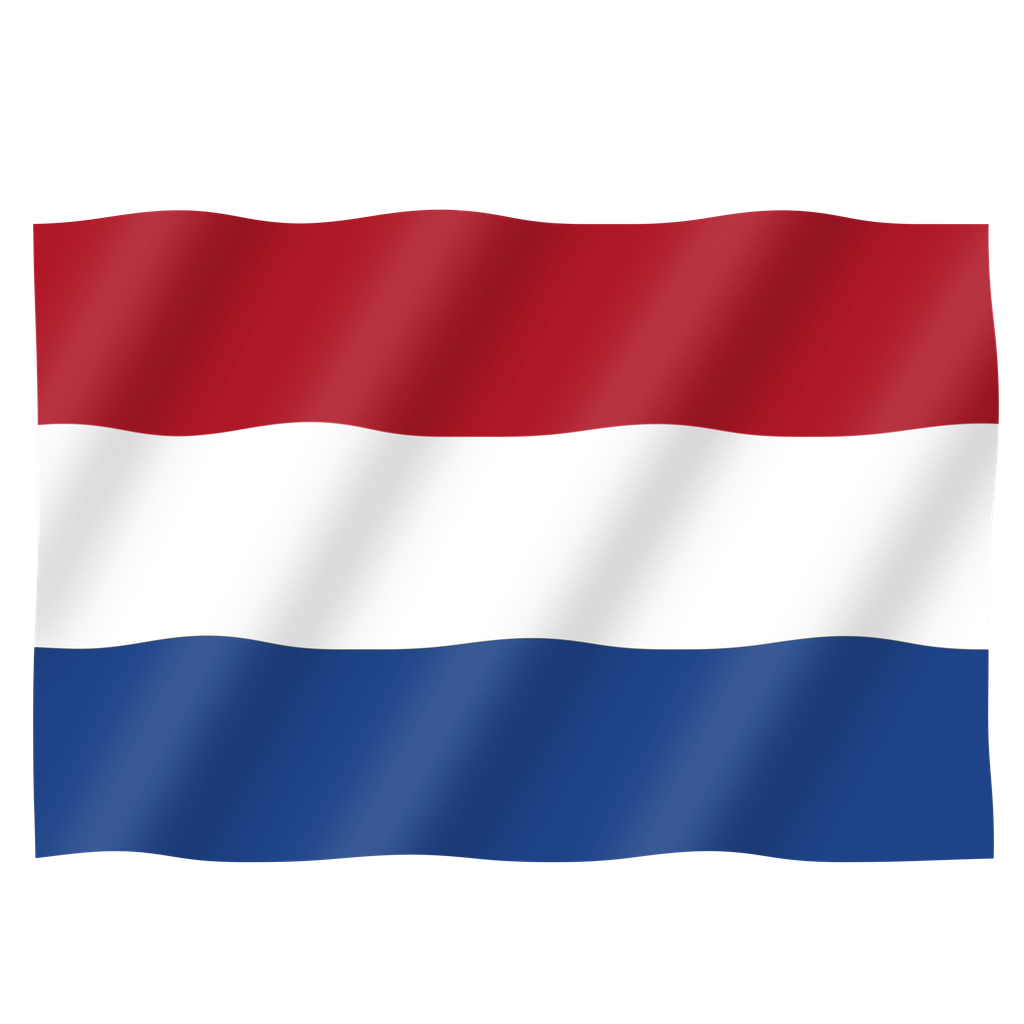
様々な国の国歌の中で、今回は日本と初戦を戦ったオランダ(Netherlands)の国歌を紹介いたします。
以下、オランダ国歌「Wilhelmus」
作曲:不詳(16世紀頃成立) 作詞:フィリップス・ファン・マルニクス
1番歌詞(オランダ語)
Wilhelmus van Nassouwe Ben ick van Duytschen Bloedt, Den Vaderland ghetrouwe
Blijf ick tot inden doet; Een Prince van Orangien Ben ick vry onverveert.
Den Coninck van Hispangien. Heb ick altijt gheeert.
日本語訳)
我オラニエ公ウィレムは由緒正しきドイツの血筋なり
我は死ぬまで祖国への忠誠を誓わん オラニエ公である我は何者にも恐れず自由である
スペイン国王よ我はこれまでそなたへの忠誠を尽くしてきた
以上
聞いてもらうとわかるのですが、曲全体のメロディが非常に美しく、雄大な印象を受けます。歌詞の内容をみてみると、ドイツが出てきたり、スペインが出てきたりと他国がでてくるのは日本の国歌とは違う点の一つだなという印象です。
このあたりは説明すると長くなるのですが、当時のオランダがスペインとの独立戦争において、勝利をつかんだオラニエ公ウィレム1世を称える内容になっているというのが大きな主題になっています。
歌詞は全体で15番までありますが、通常国歌として歌われるのが、1番と6番(表記割愛)みたいです。また、1-15番の最初の文字をつなげるとWILLEM VAN NASSOVという
オラニエ公の名前になるというアクロスティック法(日本語では折句と呼ばれる)が取られています。
国歌として承認されたのが1932年と意外と最近であったことも特徴の一つでした。
オランダの日本との関わりとしては、江戸時代前期から鎖国と呼ばれる時期において
長崎の「出島」にて交易を行っていた欧州の国であり、古くから日本と友好関係を築いてきた国でもあります。
WORLD CUPを通じて様々な国との関係を知ることや深めたりすることが私たちの普段の交流をする際にも大変有意義になるのではないかと思ったそんな大会だったかと思いました。
The 2026 FIFA World Cup kicked off on June 12 and concluded on July 20 with Spain emerging as champions.
This tournament featured 48 nations and a total of 104 matches, showcasing numerous spectacular plays and magnificent games. Although Japan aimed for the title, they suffered a narrow defeat against Brazil and exited the tournament in the Round of 32; nevertheless, the team’s ability to compete on equal footing with powerhouses from Europe and South America was truly moving.
During international matches—including World Cup games—national anthems are played beforehand to wish both teams well. National anthems offer a window into a country’s history; by looking up the meaning of the lyrics of an opponent’s anthem, one can learn a little about that nation and foster a sense of mutual respect during interactions.
Among the anthems of various nations, I would like to introduce the national anthem of the Netherlands, the team Japan faced in their opening match.
Below is the Dutch national anthem, “Wilhelmus.”
Composer: Unknown (originated around the 16th century) | Lyricist: Philips van Marnix
Verse 1 (Dutch)
Wilhelmus van Nassouwe Ben ick van Duytschen Bloedt, Den Vaderland ghetrouwe
Blijf ick tot inden doet; Een Prince van Orangien Ben ick vry onverveert.
Den Coninck van Hispangien. Heb ick altijt gheeert.
(English Translation)
I, William of Orange, am of noble German lineage.
I shall remain loyal to my fatherland until death; as the Prince of Orange, I stand free and unafraid.
King of Spain, I have always honored and served you.
End.
As you will hear, the melody is incredibly beautiful, leaving an impression of grandeur and majesty. Looking at the lyrics, one thing that sets it apart from the Japanese national anthem is the mention of other countries, such as Germany and Spain.
Explaining the details would take a long time, but the central theme is a tribute to William I, Prince of Orange, who led the Netherlands to victory in the War of Independence against Spain.
The song consists of fifteen verses in total, though typically only the first and sixth verses are sung as the national anthem. Additionally, the first letters of verses 1 through 15 spell out “WILLEM VAN NASSOV”—
the name of the Prince of Orange—forming an acrostic.
Another notable fact is that it was officially adopted as the national anthem relatively recently, in 1932.
Regarding the Netherlands’ relationship with Japan, it was the European nation that conducted trade at “Dejima” in Nagasaki during the early Edo period—a time otherwise characterized by the policy of national isolation—and it is a country with which Japan has long maintained friendly ties.
It struck me that the World Cup offers a valuable opportunity to learn about and deepen our relationships with various nations—insights that can prove highly meaningful in our everyday interactions as well.
2026年国际足联世界杯于6月12日揭幕,并于7月20日落下帷幕,最终西班牙队夺得冠军。
本届赛事共有48支国家队参赛,进行了总计104场比赛,奉献了无数精彩的瞬间与震撼人心的对决。尽管日本队志在夺冠,却在32强赛中惜败于巴西队,遗憾出局;不过,日本队展现出的能与欧美强队分庭抗礼的实力,着实令人动容。
在包括世界杯在内的国际赛事中,赛前通常会演奏两国国歌,以表达对双方球队的美好祝愿。国歌是了解一个国家历史的窗口;通过探究对手国歌歌词的含义,人们不仅能对该国增进了解,还能在交流互动中培养相互尊重的精神。
在各国国歌中,我想特别介绍一下荷兰的国歌——这也是日本队在首场比赛中的对手。
以下是荷兰国歌《威廉颂》(Wilhelmus)。
作曲:不详(起源于16世纪左右) | 作词:菲利普·范·马尔尼克斯(Philips van Marnix)
第一段(荷兰语)
Wilhelmus van Nassouwe Ben ick van Duytschen Bloedt, Den Vaderland ghetrouwe
Blijf ick tot inden doet; Een Prince van Orangien Ben ick vry onverveert.
Den Coninck van Hispangien. Heb ick altijt gheeert.
(中文译文)
我,奥兰治的威廉,出身高贵的德意志血统。
我将至死忠于祖国;身为奥兰治亲王,我无所畏惧,昂然屹立。
西班牙国王啊,我始终对您怀有敬意。
(完)
正如大家所听到的,这首国歌旋律优美,给人一种宏大庄严之感。细看歌词,它与日本国歌的一个显著不同之处在于,歌词中提及了德国和西班牙等其他国家。若要详述其来龙去脉,恐怕需要很长时间,但其核心主题是向奥兰治亲王威廉一世致敬——正是他领导荷兰在反抗西班牙的独立战争中取得了胜利。
这首歌曲共有十五段歌词,不过通常只演唱第一段和第六段作为国歌。此外,这十五段歌词的首字母连起来恰好拼写出“WILLEM VAN NASSOV”——
即奥兰治亲王的名字——构成了一首藏头诗。
值得一提的是,它直到1932年才被正式定为国歌,时间相对较晚。
谈及荷兰与日本的关系,早在江户时代初期——即日本实行锁国政策的时期——荷兰便是唯一获准在长崎“出岛”进行贸易的欧洲国家;两国之间长期保持着友好关系。
我深感世界杯提供了一个宝贵的契机,让我们得以了解各国并加深彼此间的联系;这种认知对于我们日常生活中的人际交往也同样极具意义。


コメント