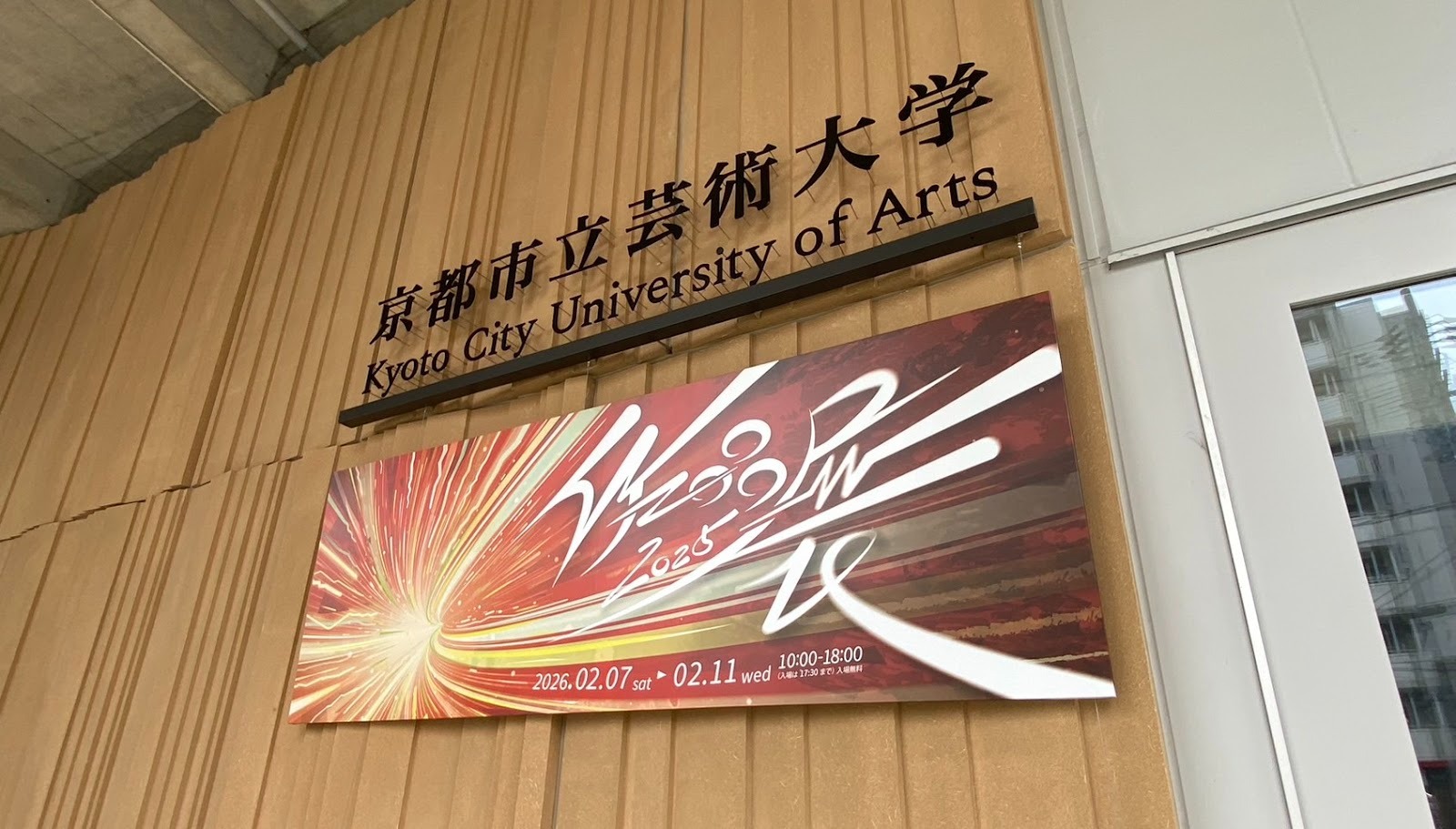
現実が解体され再構築されるとき:抽象世界への一歩
——京都市立芸術大学の作品展の体験
現実世界の中で生きてきた私が、偶然にも京都市立芸術大学の作品展に足を運ぶことになりました。
見慣れた風景が精緻に切り取られ、身近なものが解体されて作品として再構成され、日常のささやかな発想が大胆な芸術作品へと昇華されている。
その瞬間、芸術が既存の思考を打ち破り、大きな思考の転換を促していることを強く実感しました。
何がリアルで、何が抽象なのか——その境界は、改めて問い直されます。
活動紹介
京都市立芸術大学では毎年、作品展が開催されている。2025年度作品展は、2026年2月7日から11日まで学内で実施された、入場無料。
本展は、美術学部および大学院美術研究科修士課程の全学年による進級・卒業・修了制作展です。
来場者は、学部4年生および修士2年生による集大成の作品だけでなく、美術学部および大学院修士課程に在籍する全学生の制作・研究発表を鑑賞することができます。
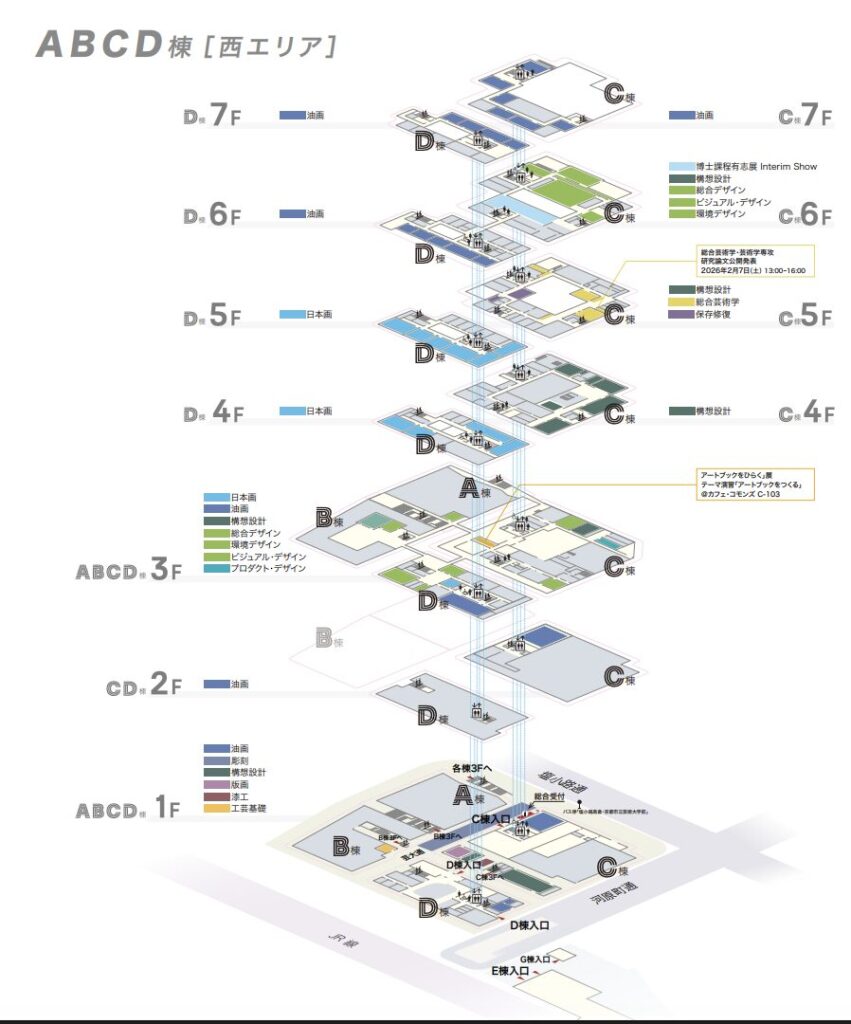
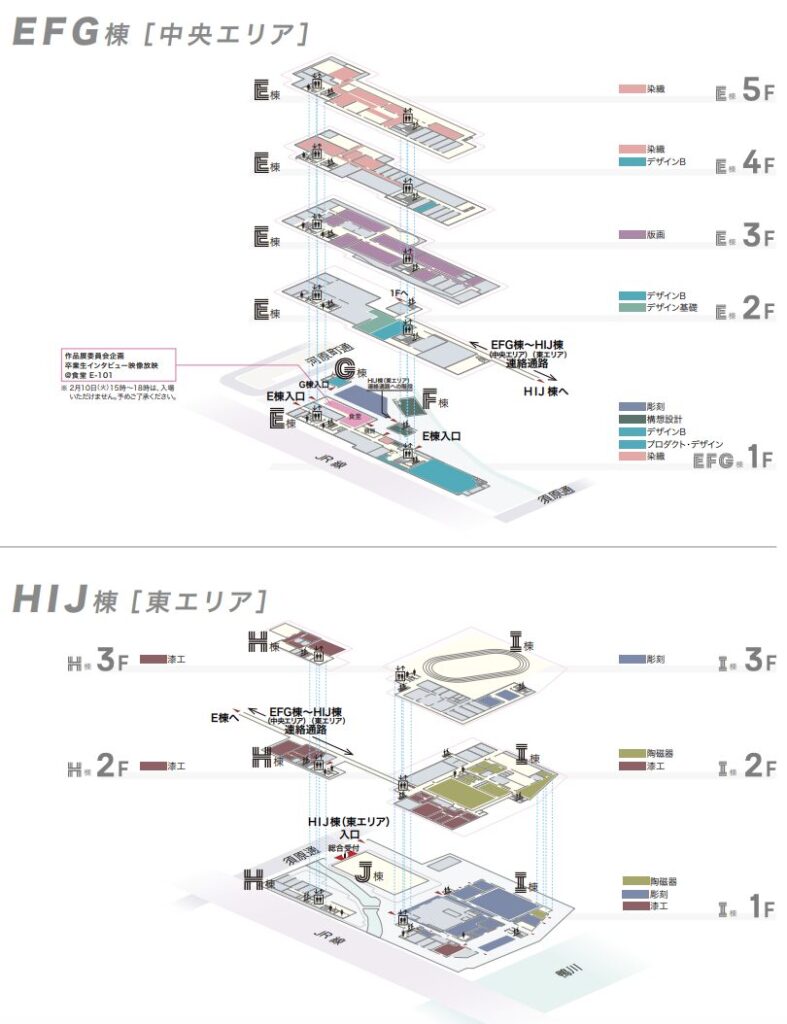
学部、大学院で学べる専攻としては、美術、デザイン、工芸、芸術学、保存修復という分野があります。今回の作品展でも、作品の分野ごとに建物が分かれていました。分野は、日本画、油画、彫刻、版画、構想設計、デザイン、陶磁器、漆工、染織、保存修復と多岐にわたります。
特に優れた作品には各種賞が授与されます。
油画や彫刻といった伝統的な形式から、構想設計やデザインなどの新しい表現まで、多様な芸術表現が展開されています。
展覧会の理念
学長の小山田徹氏は、芸術の存在意義や「芸術が理解できない」という疑問について次のように述べています。
作品を制作した学生たちにとって、それらは未来への出発点であり、探求の途中にある未完の試みや葛藤でもある。そこには、彼らの「形成途上にある価値観」が表れている。
一方、鑑賞者が作品を理解できないと感じることは、極めて自然であり妥当なことである。それは、作品がまだ社会に広く受け入れられていない価値観を体現しているからだ。鑑賞者がその「理解できなさ」と向き合い、共存を試みる過程は、未知と正面から対峙する貴重な経験となる。長い未来において、芸術は常に存在し続け、創作者の思考や感情を表現し続けるだろう。
作品展全体の体験は、まるで迷宮を歩くようでした。迷いながら感じ、芸術と現実の衝突に身を浸す。
その過程で、未知への不安や恐れと向き合いながら、既存の価値観を問い直し、新たな可能性を模索する時間となりました。
個人的な感想
ミクさん:作品の数が膨大で、それぞれの作品に込められた作者の思いや意図を汲み取るのは、簡単で難しくもあった。
博士課程有志展に行くと、たまたま制作した学生の方が自分の作品について解説してくださっていたため、その方の研究分野や、制作に至るまでの制作過程や思考過程などを知ることができ、興味深かった。また、学部生の方で、卒業制作の解説を自分からしてくださった方もいた。部屋全体を埋め尽くすような大きな染織の作品だったが、2か月間かかったそうで、その長さに驚いたとともに、自分の考えを表現するその情熱に圧倒された。
また、デザインBという科目で制作した作品が展示されている部屋もあった。ここでは1回生から4回生まで、様々な学年の学生が設定した日常の課題やテーマに沿って作った作品が展示されており、そのほとんどが実際に触ったりして体験できるもので、来場者が楽しめる工夫がされていた。
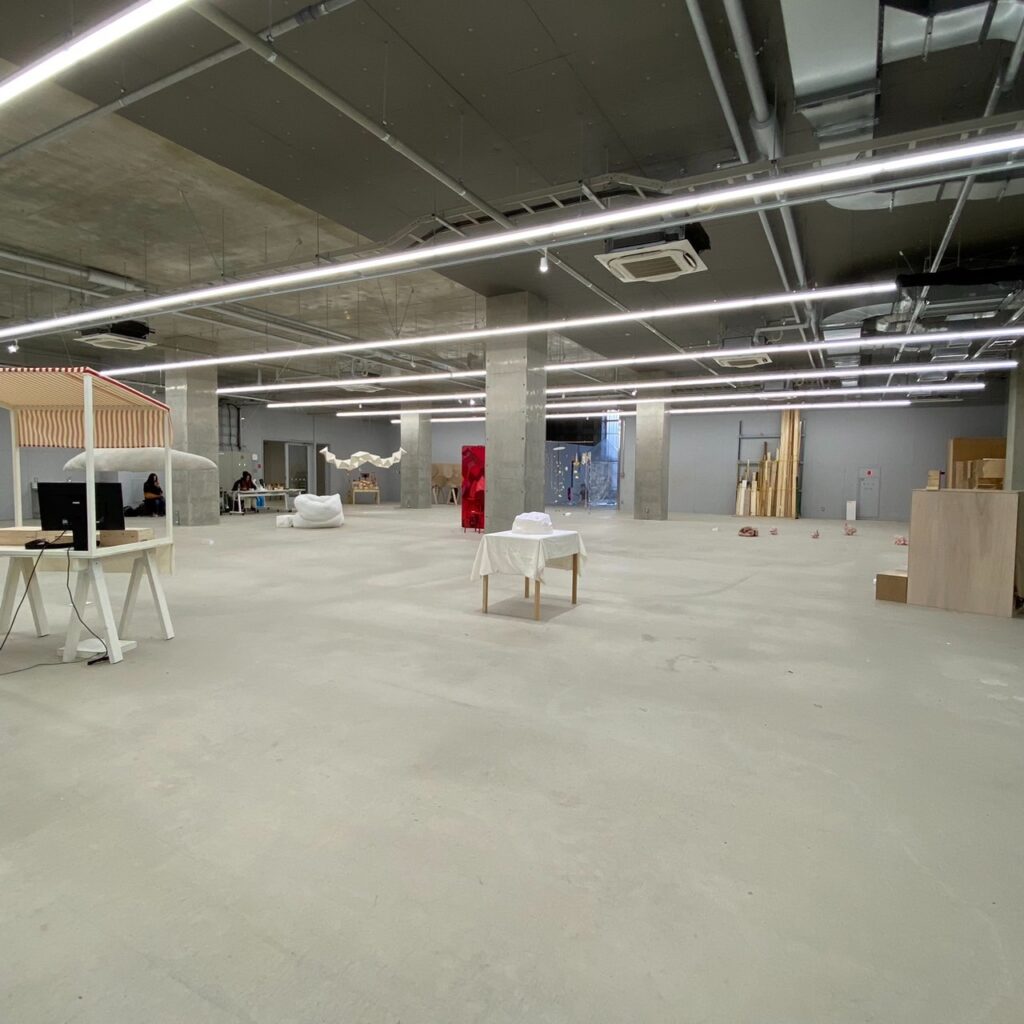
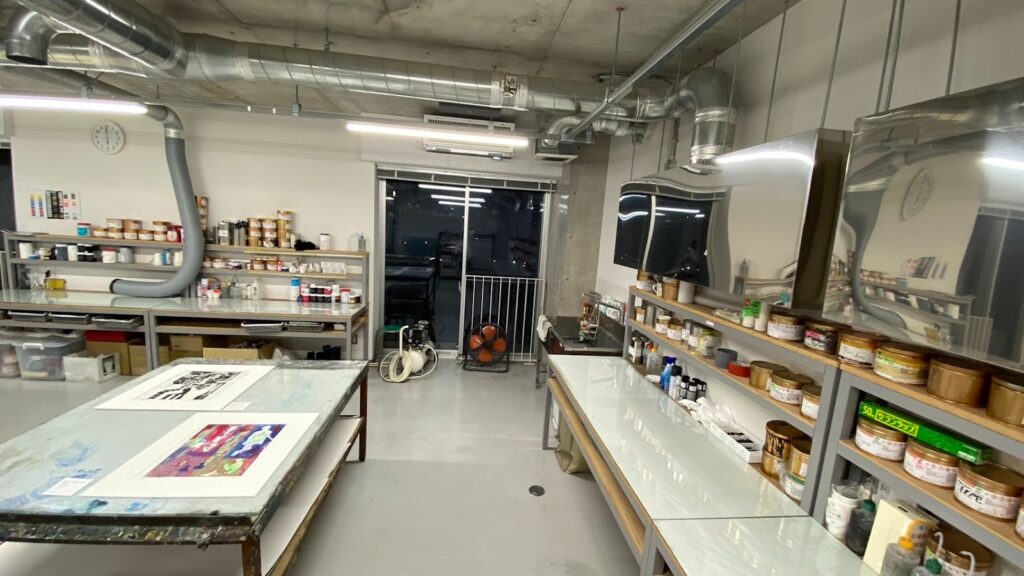
アトリエ的な何もない部屋に作品が展示されている空間は美術館のようで、逆に絵具や機械が置いてあるような制作室に作品が展示されていることもあり、図工や美術の時間を思い出し少し懐かしくなりました。
この日は記録的な大雪が降った1日であったにもかかわらず、一般の方や海外の方など、多くの方が来られていて、作品展の人気の高さを感じました。
ウンセイさん:数時間にわたる鑑賞の中で、多くの作品の圧倒的な表現力に何度も驚かされた。一方で、「これは何を語っているのだろう」「なぜこのような表現なのだろう」と戸惑うことも少なくなかった。
写実的な作品では、例えばスーパーの一場面や海辺の風景などに共感を覚えた。一方、抽象的な作品では言葉にしがたい感情を感じつつも、自分の解釈が作者の意図とずれていないかと不安になることもあった。
幸いにも、いくつかの展示では作者本人による説明を聞くことができ、着想の背景や制作過程を知ることで、目の前の巨大な作品に込められた意味をより深く理解することができた。
コンクリートに囲まれた現実の中で長く過ごしてきたせいか、想像力は少し抑え込まれていたのかもしれない(笑)。今回の鑑賞体験は非常に刺激的で、現実を解体し、常識から一歩踏み出し、新たな視点や思考を捉えるきっかけとなった。身近な現実に対しても改めて問いを投げかけ、これまでとは異なる風景を見ることを学んだ時間であった。
When Reality Is Deconstructed and Reassembled: A Step into the Abstract World
Having always lived within the framework of reality, I happened to step into the exhibition at Kyoto City University of Arts. Familiar scenes were precisely captured; everyday objects were deconstructed and reconstructed as artworks; bold creations were born from the smallest ideas in daily life. At that moment, I strongly felt that art was breaking apart conventional thinking and initiating a profound transformation of perception. What is real? What is abstract? Everything seemed to be redefined.
Event Overview
Kyoto City University of Arts holds an annual exhibition. The 2025 exhibition took place on campus from February 7 to February 11, 2026, free for charge. It featured advancement, graduation, and completion works from all academic years of the Faculty of Fine Arts and the Master’s Program of the Graduate School of Fine Arts.
Visitors were able not only to view the culmination of four years of undergraduate study and two years of master’s research by graduating students, but also to see the works and research presentations of all current students.
The university offers programs in Fine Arts, Design, Crafts, Art Theory, and Conservation & Restoration. During the exhibition, works were displayed in different buildings according to their disciplines. Fields included Japanese painting, oil painting, sculpture, printmaking, conceptual design, design, ceramics, lacquerware, textile arts, and conservation. Outstanding works were recognized with various awards. Whether one is drawn to traditional forms such as oil painting and sculpture, or to innovative practices such as conceptual design, there was something for everyone.
Exhibition Philosophy
In his address, President Toru Koyamada spoke about the meaning of art and the common question of why art can be difficult to understand.
For the students who created these works, they represent starting points for exploring the future, or unfinished attempts and struggles along that journey. They embody “values in the process of formation.”
For viewers, feeling confused or unable to understand an artwork is entirely natural and reasonable. These works often represent values not yet widely accepted by society. Engaging with that sense of unfamiliarity and attempting to coexist with it is a valuable experience—one that encourages us to confront the unknown. Throughout the long flow of history, art will continue to exist, expressing the thoughts and emotions of its creators.
Experiencing the exhibition felt like walking through a labyrinth—getting lost while sensing, immersing oneself in the collision between art and reality. Amid uncertainty and unease, one gradually begins to question established values and imagine new possibilities.
Personal Reflection
Miku:
We visited all of the disciplines represented in the exhibition. The sheer number of works was overwhelming. Interpreting the thoughts and intentions embedded in each piece felt both simple and difficult at the same time.
At the voluntary doctoral exhibition, we happened to meet one of the artists explaining her work. Listening to her describe her research field, creative process, and conceptual development was fascinating.
An undergraduate student also kindly explained her graduation piece to us. It was a large-scale textile work that filled almost the entire room and reportedly took two months to complete. I was astonished by the length of time required and deeply moved by the passion poured into expressing her ideas.
There was also a room dedicated to works produced in a course called “Design B.” Students from first to fourth year exhibited pieces based on everyday themes and assignments. Many works were interactive and could be touched or experienced directly, allowing visitors to engage actively with them.
The exhibition spaces themselves were also intriguing. Some works were displayed in empty studio-like rooms that resembled museum galleries, while others remained in active workshops surrounded by paint and machinery. The latter evoked memories of childhood art classes and carried a touch of nostalgia.
Despite record-breaking snowfall that day, many visitors—including members of the public and international guests—came to see the exhibition.
Yunjing:
During several hours of viewing, I was repeatedly struck by the powerful expressiveness of many works. At the same time, I often found myself wondering: What is this trying to convey? Why was it created in this way?
In realistic works—such as scenes from a supermarket or landscapes of the sea—I could empathize immediately. In abstract works, I sensed indescribable emotions while worrying whether my interpretation diverged from the artist’s intent.
Fortunately, at some exhibits I was able to listen to the artists explain their inspirations and creative processes. Their words helped me grasp the deeper meanings contained within the massive works before me.
Perhaps after spending too long in a world of concrete and steel, my imagination had been somewhat restrained (laugh). This exhibition was deeply enriching. It encouraged me to deconstruct reality, step beyond conventions, and capture new perspectives and ideas. It taught me to question the familiar world around me and to see different landscapes within it.
当现实被拆解重组:一次步入抽象世界的体验―京都市立艺术大学作品展的一次体验
一直生活在现实世界中的我,偶然走进了京都市立艺术大学的作品展。当司空见惯的场景被精准捕捉;当熟悉的事物被解构并重现于艺术作品中;当天马行空的艺术作品竟源于日常生活中一个小小的想法,我强烈地感受到艺术正在打破固有的思维,发起了一场巨大的思维变革。何为真实?何为抽象?一切都将被重新定义。
活动介绍
京都市立艺术大学每年都会举办一次作品展,2025年作品展于2026年2月7日-11日在校园内举办,免费参观。
此次作品展是美术学部、大学院美术研究科修士课程的全学年出品的晋级、毕业结业作品展。观众们不仅能看到毕业年级的同学们展示学部4年和修士2年的成果,还能看到美术学部和大学院美术研究科修士课程在读的所有学生的作品展示和研究发表。
在学部和大学院可以学习的专业领域包括:美术、设计、工艺、艺术学、保存修复等。此次作品展中,也根据不同领域分布在不同建筑中展出。具体分野包括:日本画、油画、雕刻、版画、构想设计、设计、陶瓷、漆工、染织、保存修复等,种类十分丰富。
其中最为杰出的作品还将获得各种奖项。
无论是传统的艺术形式如油画、雕塑等,还是创新形式如构想设计、design,总有一款适合你。
展览宗旨
校长小山田徹的发言中,有许多围绕艺术存在的意义、无法理解艺术等问题的解答:
对于创作了这些艺术作品的同学们而言,这些作品更像是探索未来的起点,或是探索途中尚未完成的试探和挣扎,体现着同学们“正在形成的价值观”。
而对于观众而言,看不懂、无法理解艺术作品是很正常、很合理的情况。因为这些艺术代表着一种尚未被大众所接纳的价值观。但在观看的过程中,观众们尝试与这种不理解结识且尝试共处,促使自己直面未知,是非常宝贵的经历和感受。在漫长的未来长河中,艺术将始终存在着,表达创作者的思考和感受。
整个作品展的体验更像是行走于迷宫之中,一边迷路,一边感受,沉浸式体验艺术与现实的碰撞,使观众们在对未知的不安和恐惧中逐渐对固有的价值观产生质疑,并尝试思考新的可能性。
个人感想
ミクさん:我们参观了所有这些领域。作品数量非常庞大,要理解每一件作品中所蕴含的创作者的想法与意图,既容易又困难。
在博士课程有志展区,刚好遇到一位创作者正在讲解自己的作品,因此我们得以了解她的研究领域,以及从构想到完成作品的创作与思考过程,非常有意思。
另外,也有学部的同学主动为我们讲解毕业作品。那是一件几乎填满整个房间的大型染织作品,据说花了两个月时间完成。听到这个创作周期时我十分惊讶,同时也被那种为表达自己思想而倾注的热情深深震撼。
此外,还有一个展示“设计B”课程作品的展室。这里展出了从一年级到四年级不同年级学生围绕日常课题与主题所创作的作品。大部分作品都可以实际触摸或体验,充满让参观者参与其中的巧思,非常有趣。
作品所处的空间本身也十分有趣。有的作品被展示在类似工作室、空无一物的房间里,仿佛置身美术馆;也有的作品直接陈列在摆放着颜料与机器的制作室中,让人想起中小学的美术课时光,带来一丝怀旧感。
尽管这一天是创纪录的大雪天气,仍然有许多普通市民和海外观众前来参观,可以感受到作品展的人气之高。
ウンセイさん:在几个小时的参观中,我不停地惊叹于很多艺术作品很强烈的表现力,但又会摸不着头脑——到底讲了什么内容?为什么要这样做呢?
在一些写实的作品里,我能感同身受,比如超市里的一景、海上的风景等;在很多抽象的作品里,我感受到了一些难以名状的情绪,又会担心是否会误解了作者的本意。
有幸在一些展品旁边听到了创作者本人的介绍,包括灵感来源和创作过程,帮助我们理解了面前这些庞然大物所蕴含的深意。在钢筋水泥的现实里呆了太久,想象力看来是被扼杀了不少啊(笑)。
这次观展令我收获颇丰,学着去解构现实,跳出常规,捕捉到全新的视角和思路,让我也能学着对熟悉的现实产生质疑,看到不一样的风景。

コメント